 Μake us preferred on Google
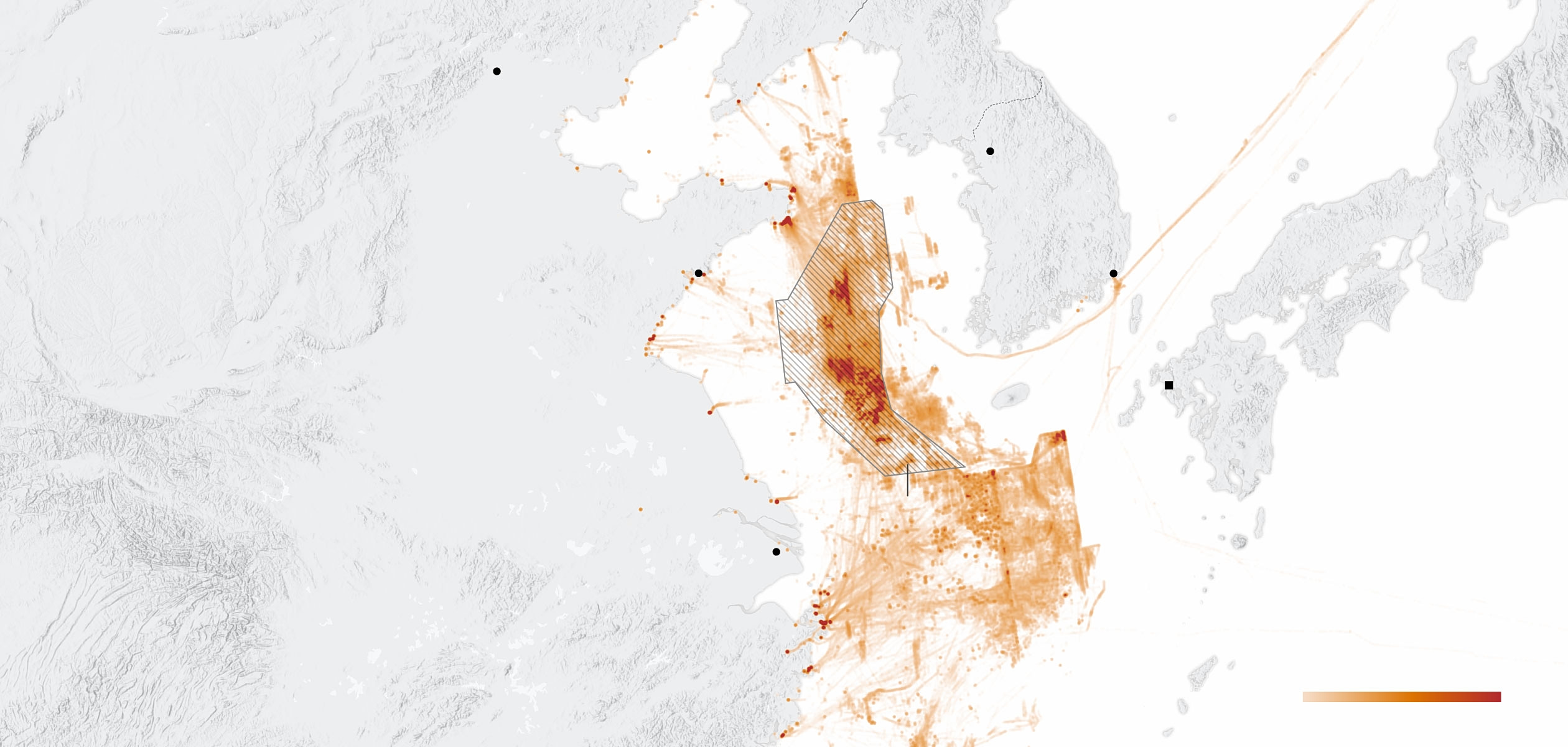
 For more than a decade, China has deployed fishing boats and coast-guard vessels deeper into contested waters across Asia.
Chinese officials often claim that these fleets are normal fishing boats. Liu Pengyu, a spokesman for the Chinese Embassy in Washington, said that China’s navy, coast guard and fishing boats operate “in strict accordance” with domestic and international law.
“Their intention is to use these dual-use vessels as irregular warfare to control the waters,” said Jason Wang, ingeniSPACE’s chief operating officer.
The strategy poses a growing challenge for the U.S. in the Pacific, as the Trump administration stretches military resources across the Middle East, Latin America and the world.
Even as both countries’ leaders met this week in Beijing, China’s vast fleets remain a signal to its neighbors—and Washington—that Beijing can complicate U.S. and allied naval operations and military planning across the region.
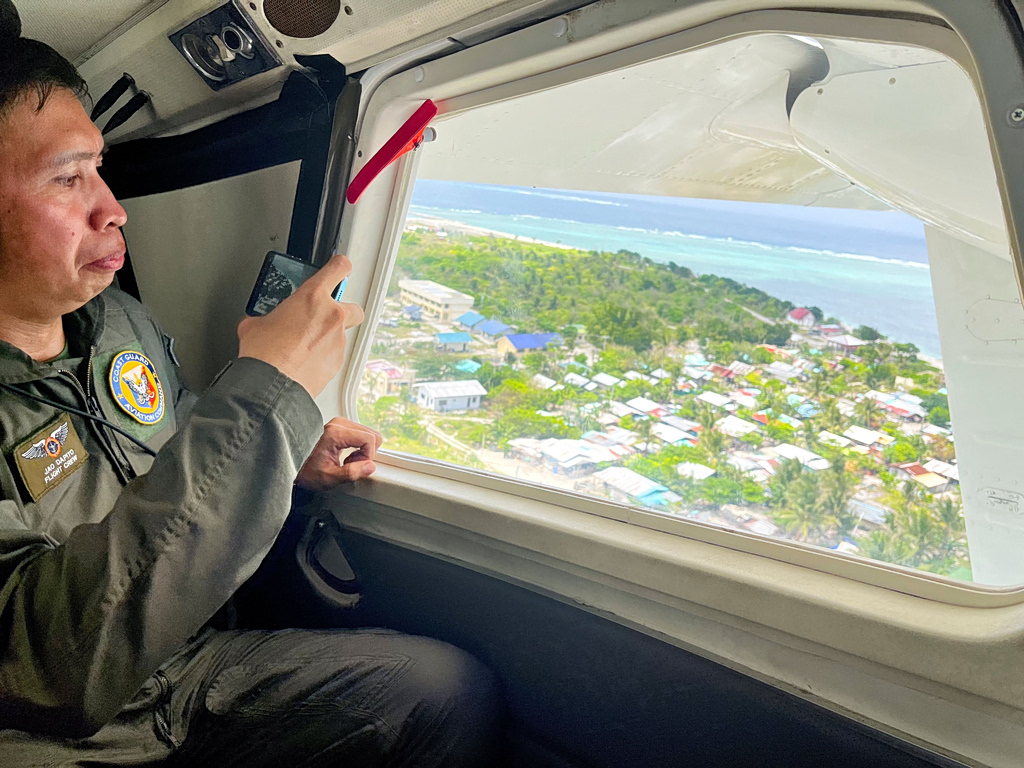
China has now built 20 outposts in the Paracel Islands and, further southeast, seven in the Spratly Islands—coupled with a sprawling presence across the surrounding seas. Outposts built before Antelope Reef drew significant international attention. But this time, the response from the U.S. “is really not that loud,” said Harrison Prétat, deputy director of the Asia Maritime Transparency Initiative at the Center for Strategic and International Studies.
“They started development last fall, so you can’t totally blame current events like the Iran war or Venezuela,” Prétat said. “But certainly, they may have perceived there was a more permissive international environment” with a more distracted Washington, he said.
Beijing thrives in that gray space and strategically aims to keep below the threshold of triggering all-out conflict. Using thousands of nonmilitary boats is part of its attempt to stay below that bar.
“They’re not trying to start a war. On the contrary, they’re trying to do just the opposite, which is to exercise influence in ways that do not provoke a confrontation,” said Victor Cha , Korea Chair at CSIS. “But in the end, when everything is aggregated, they are the dominant presence, [and] everybody defers to them.”