 Μake us preferred on Google
 The European Union’s Energy Council has reached a landmark agreement to gradually phase out imports of Russian natural gas and oil, endorsing Greece’s proposal on the TurkStream pipeline, officials announced after Monday’s meeting — October 20. The decision forms part of the EU’s REPowerEU roadmap, which aims to end dependence on Russian energy following repeated supply disruptions that have deeply affected European markets.
Greece’s Strategic Role
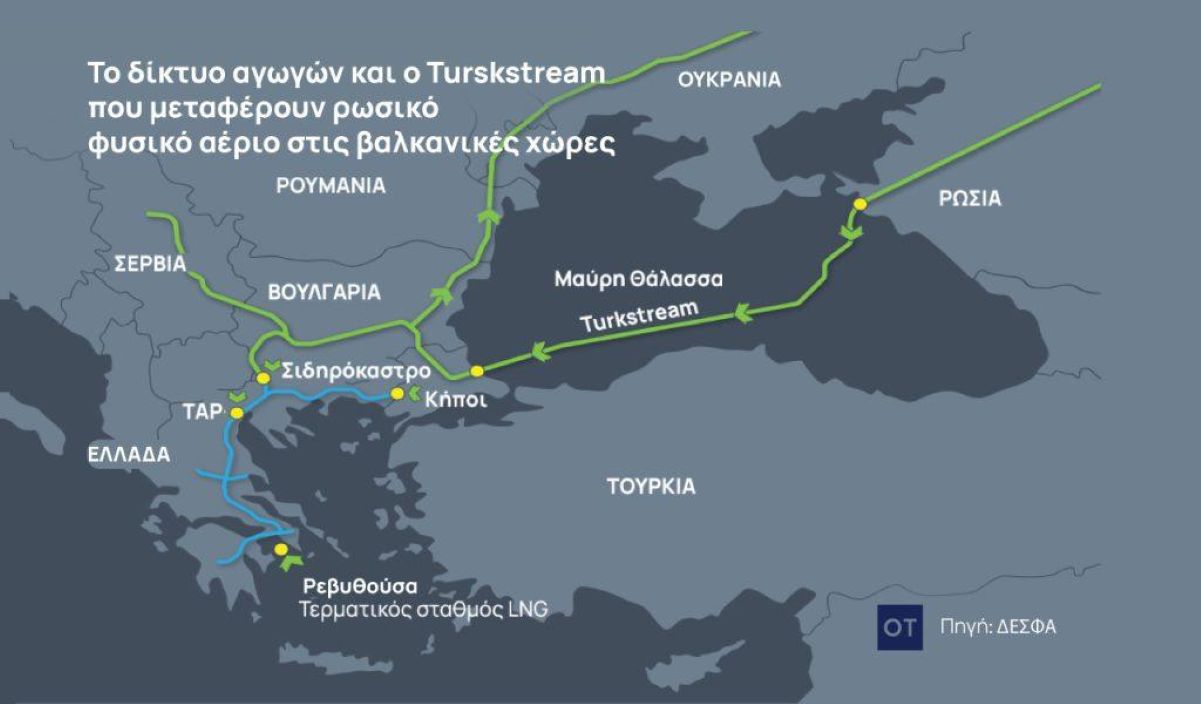
According to statements from the Greek Ministry of Environment and Energy, the agreement underscores Europe’s and the United States’ shared objective of eliminating reliance on Russian gas. Greece is positioned as a central player in this new energy framework, thanks to its strategic infrastructure—such as the Revithoussa LNG terminal, the FSRU projects, and the Greece-Bulgaria Interconnector (IGB)—and its involvement in the regional energy corridor.
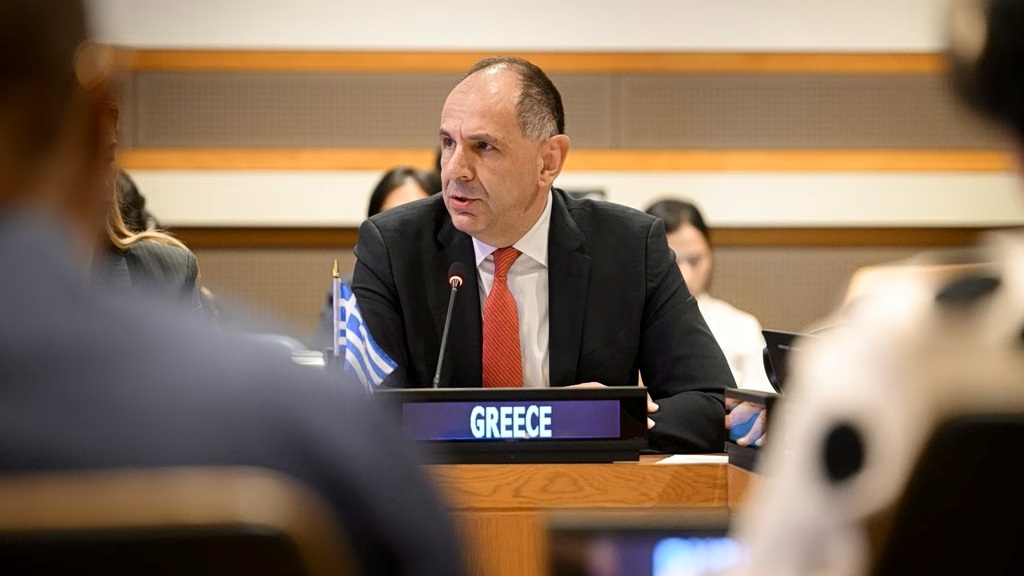
The Greek delegation, led by Minister of Environment and Energy Stavros Papastavrou, emphasized that the regulation’s consistent enforcement is vital for achieving European energy independence.
The TurkStream Clause
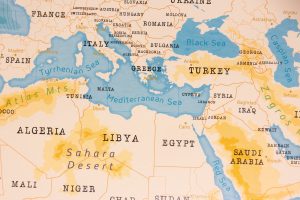
At Greece’s initiative, the regulation now includes an explicit reference to the TurkStream pipeline, which transports Russian gas through Turkey to Bulgaria. Any gas flows entering the EU via Turkey are presumed to be of Russian origin unless indisputable evidence proves otherwise.
This provision also applies to the Strandzha–Malkoclar interconnections, ensuring that gas routed through Turkey cannot bypass the restrictions without clear certification of non-Russian origin.
Timeline for the Ban
Under the new regulation, imports of Russian pipeline gas and liquefied natural gas (LNG) will be progressively restricted, leading to a full ban by Jan. 1, 2028. A transitional phase allows short-term contracts signed before June 17, 2025, to remain valid until June 2026, and long-term contracts until early 2028.
The move marks a decisive step in Europe’s shift toward energy autonomy, signaling the end of an era of dependence on Russian fuel and reinforcing the continent’s commitment to energy security and diversification.