 Μake us preferred on Google
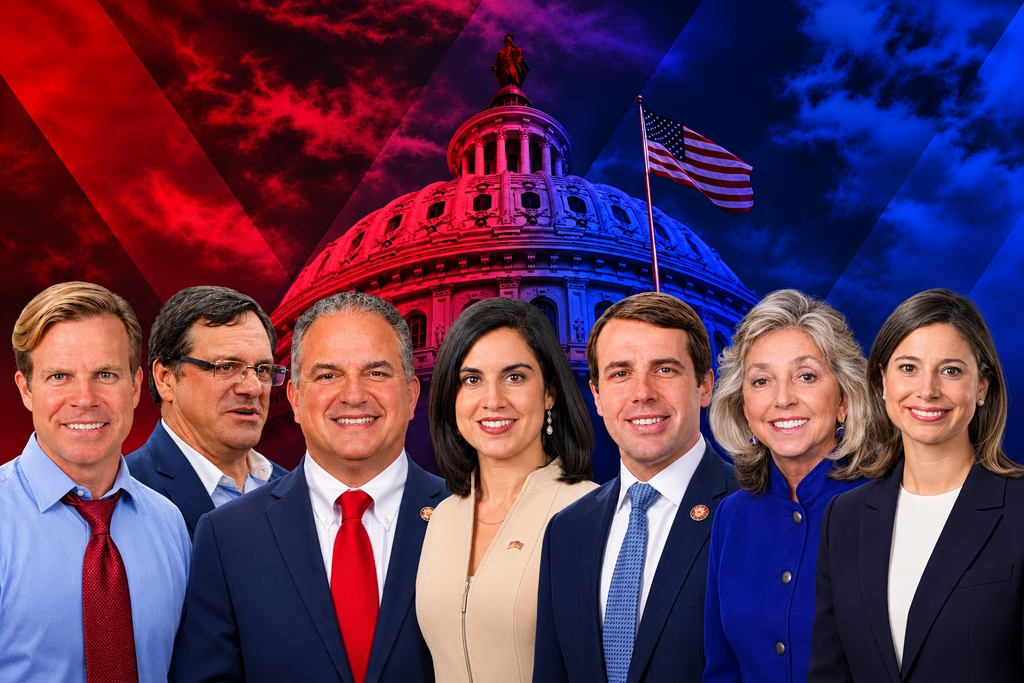
The November 3 US midterm elections became a judgment on presidential power. Democrats won both chambers in a sweeping victory that extended into traditional Republican strongholds: Texas elected a Democratic governor and senator, while Kansas chose its first Democratic senator in 94 years. Yet this “blue tsunami” may not have been so much a sign of broad support for the opposition as it was a rejection of Trump. High prices, the war with Iran and concerns about government ethics and transparency helped drive the backlash.
The constitutional implications matter more than the electoral spectacle. According to the AP Voter Poll, roughly 7 in 10 voters believed Congress had done too little to check presidential power. From January 2027, Democratic majorities will be able to investigate the administration, subpoena witnesses, scrutinize spending and, in the Senate, reject presidential nominees. Trump, however, retains his veto and considerable executive authority. Congressional oversight can expose abuses and force explanations, but it cannot itself reverse every presidential decision.
The youth vote was another striking feature. Initial estimates suggest that about 7 in 10 voters aged 18 to 29 supported Democratic House candidates. Yet this should not be mistaken for a lasting generational conversion. Younger voters are responding to economic insecurity and a political system they often find unresponsive. Let’s not forget that, across Europe, anti-establishment sentiment among younger voters has taken different ideological directions. For younger voters, the challenge will be to translate their opposition into a constructive political agenda, moving beyond what they reject toward what they want to achieve.
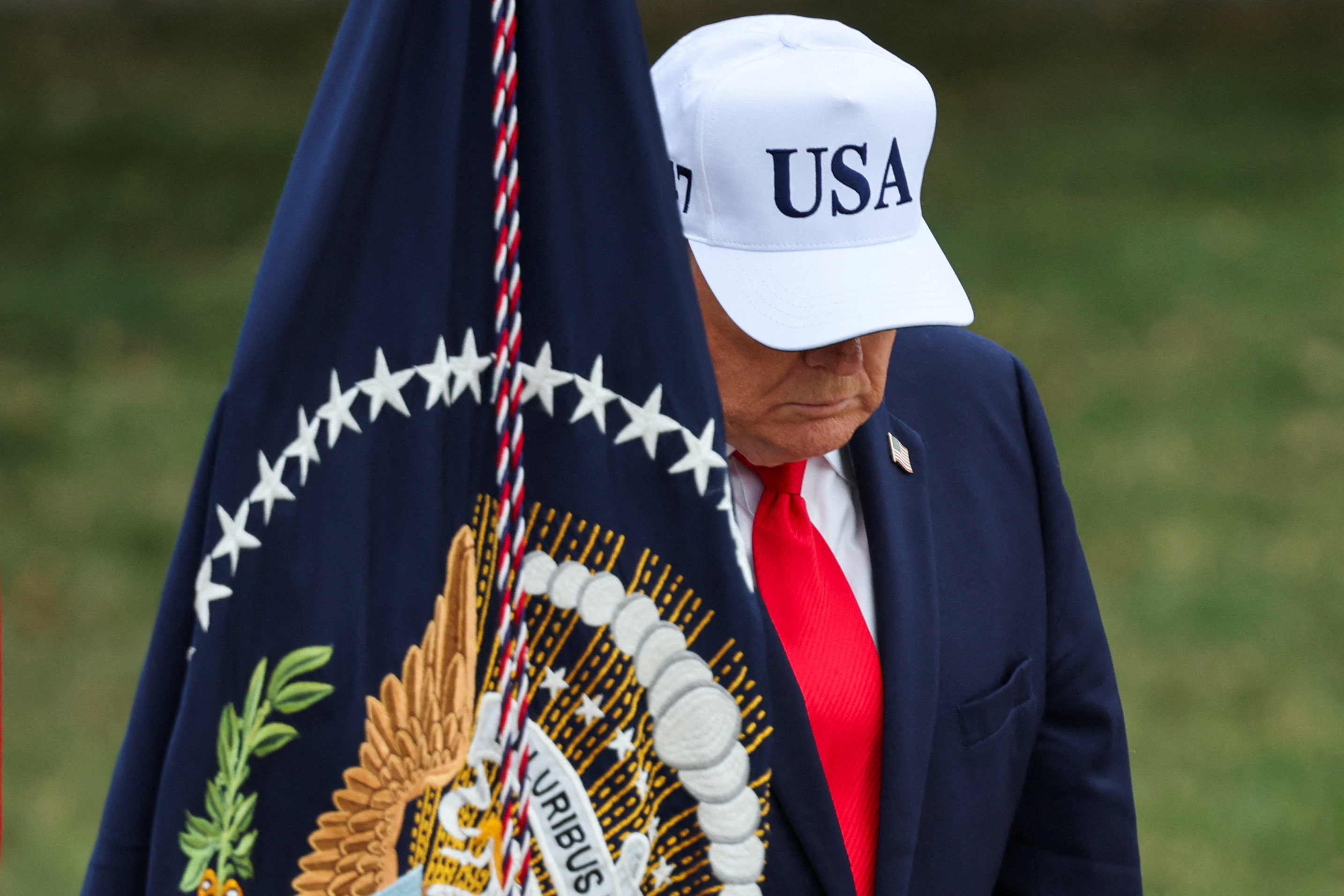
The reactions of Barack Obama and Donald Trump offered a revealing contrast in political culture. Obama thanked candidates, as well as election volunteers across party lines, and called for a politics that brings people together. Trump insisted Republicans would have won “IN A LANDSLIDE” had he been on the ballot (he later said he would accept the results and work with Democrats).
The difference in emphasis is interesting: one looked toward citizens and institutions; the other returned to the president himself. Respect for democratic norms is also reflected in how political leaders respond to election results.
The result also exposed the limits, though hardly the disappearance, of money’s influence. Billionaire donors spent heavily on Republican candidates without securing control of Congress. Of course, wealthy donors are influential across party lines. A Democratic Congress may examine public contracts and potential conflicts of interest. Such investigations will be credible only if they are rigorous and evidence-based.
Europe should welcome the prospect of stronger scrutiny in Washington without giving in to the utopian fantasy that the transatlantic relationship has returned to an earlier age. The U.S. geopolitical pivot toward Asia and the pressure on Europe to assume greater responsibility for its own defense are part of a broader American trend that will not disappear simply because the balance of power in Congress has shifted. Trump still commands considerable power over trade and diplomacy. Europe’s own MAGA-aligned politicians draw strength from domestic grievances. The American result may weaken their claims to political inevitability, depriving several European populists of the narrative that their political movement is unstoppable worldwide, although their domestic support is unlikely to disappear as a consequence. Europe needs to defend its own institutions and strengthen its capacity for independent strategic action.
The voters have punctured the image of an unassailable president; they have not removed his powers. Democrats must now demonstrate that their congressional victory can produce serious oversight and a credible political alternative. With the 2028 presidential election approaching and the future of Trump’s political movement still uncertain, they cannot afford to waste time or mistake the rejection of Trump for lasting confidence in themselves.
Dr. Apostolos Samaras holds a Ph.D. in European Law from the Law School of the National and Kapodistrian University of Athens. He is a Research Fellow at the Hellenic Foundation for European and Foreign Policy (ELIAMEP).