 Μake us preferred on Google
 What remains when a ritual is over? What traces does it leave behind—in memory, in the body and in our sense of identity?
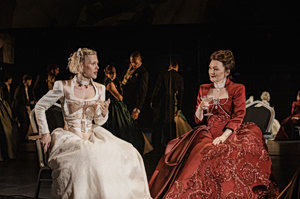
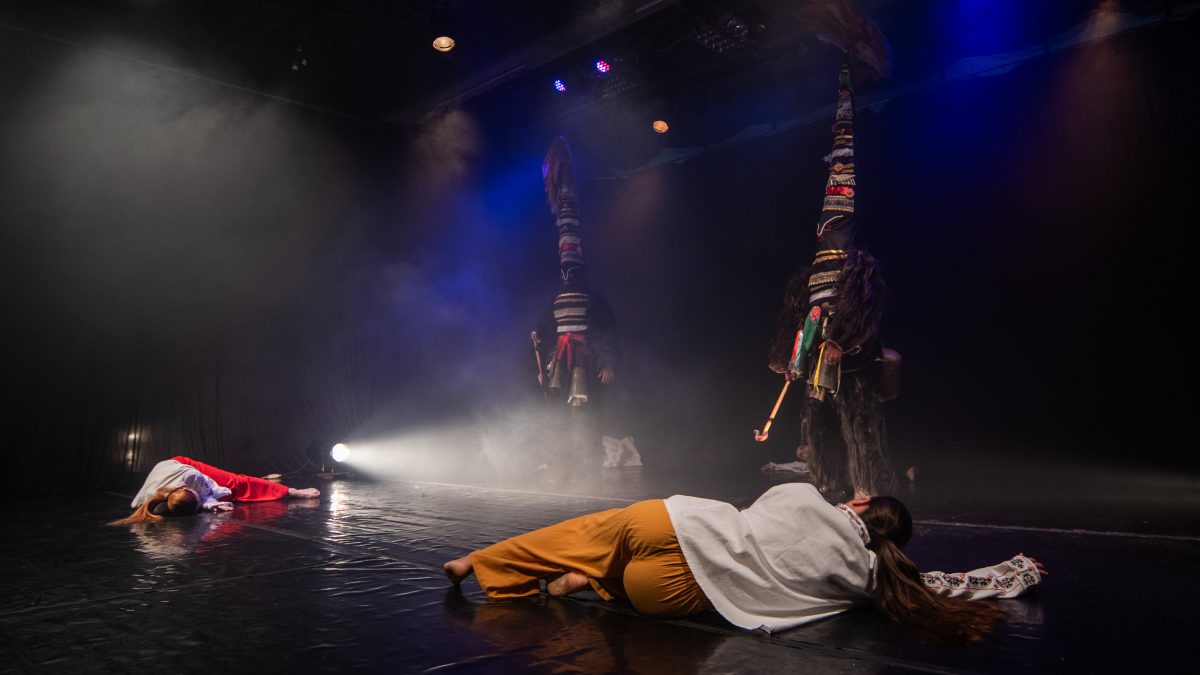
Those questions form the starting point of “RITUAL TRACES,” a new dance performance that brings elements of Greek folk tradition into dialogue with contemporary dance at the Michalis Cacoyannis Foundation in Athens on October 3, 4, 10 and 11.
View this post on Instagram
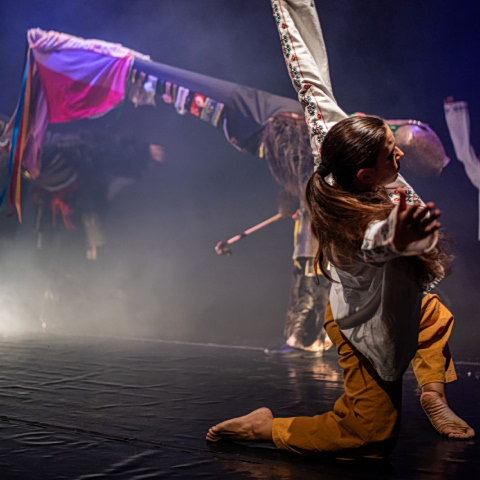
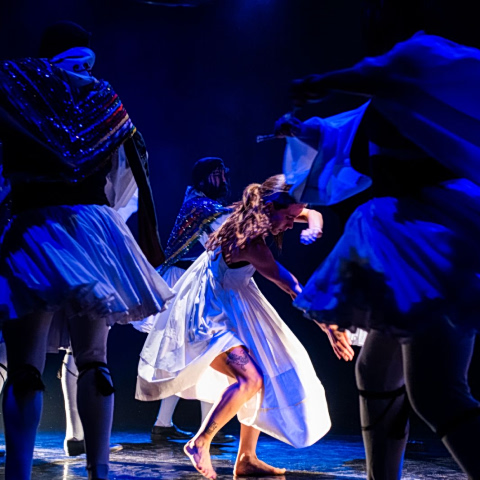
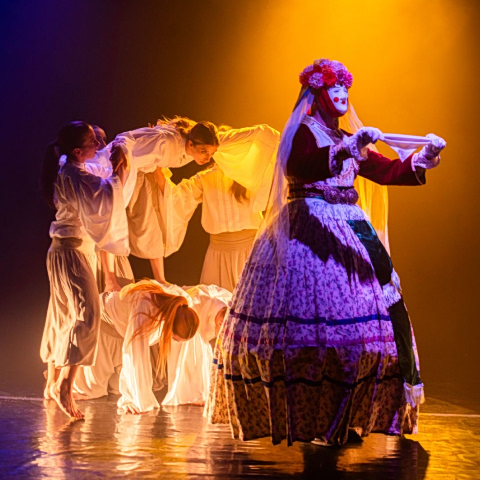
The production brings together 24 dancers from traditional and contemporary dance, placing two distinct movement languages on the same stage. At times they collide; at others, they complement one another. Their encounter ultimately produces a new, hybrid form of ritual.
Rather than treating Greek folk tradition as something fixed in the past, “RITUAL TRACES” approaches it as material that can be transformed, revisited and experienced through a contemporary artistic lens.
Courtesy of RITUAL TRACES
Between memory and the dream
The performance takes inspiration from moments drawn from customs and rituals of Greek folk tradition and uses them to examine the relationship between collective memory and personal identity.
View this post on Instagram
Its central question is not simply what a ritual means while it is taking place, but what survives after it ends.
The production unfolds in a landscape somewhere between reality and dream. Familiar forms return, but never in quite the same way: the shape changes, the rhythm shifts, the image transforms.
Through repetition and transformation, the familiar takes on a new dimension, turning tradition into a space for personal exploration.
View this post on Instagram
At the center of this world is a protagonist who moves constantly between opposites: light and shadow, the familiar and the unknown, the visible and the invisible.
As he searches for his own identity, he attempts to distinguish what is real from what belongs to the world of dreams.
A mysterious presence
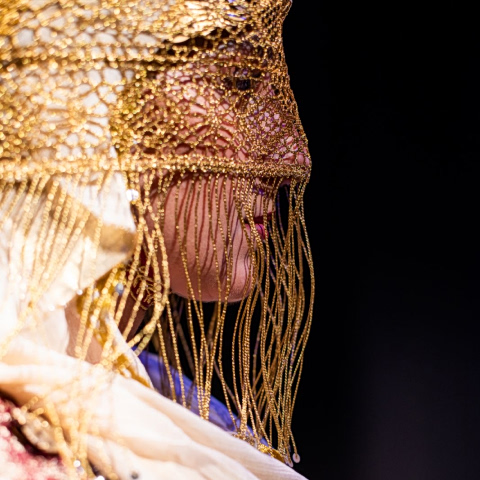
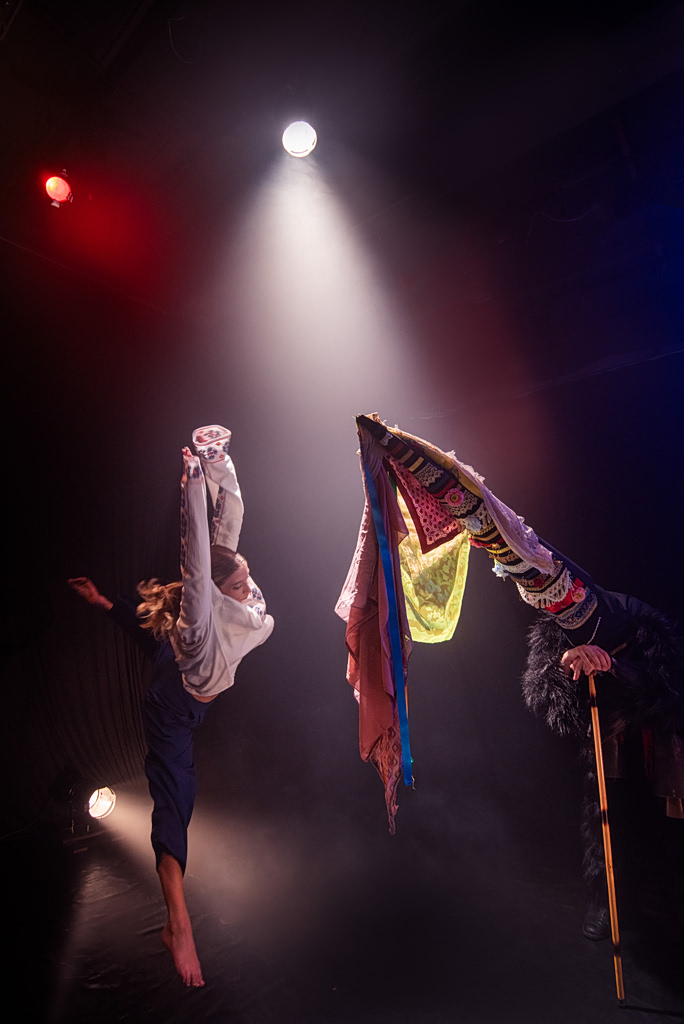
An enigmatic figure remains constantly present.
Courtesy of RITUAL TRACES
Courtesy of RITUAL TRACES
The figure does not speak and never fully reveals itself. Yet an invisible connection gradually develops between it and the protagonist, growing stronger as the performance progresses.
His search for an “exit” exists alongside an attraction to a hidden world that seems to be calling him.
View this post on Instagram
But what does this mysterious figure ultimately represent?
Is it tradition itself, transforming as it transforms him? Or is it an unknown part of his own identity?
“RITUAL TRACES” does not necessarily seek to answer the question. Instead, it transfers the question into the body, rhythm and image, inviting audiences on a personal journey between memory and dreams, the collective and the individual, tradition and contemporary expression.
Courtesy of RITUAL TRACES
Courtesy of RITUAL TRACES
At its heart, the production is an encounter between two different movement languages—two ways of understanding and expressing the body that meet, converse and ultimately redefine what ritual can mean.
View this post on Instagram