 Μake us preferred on Google
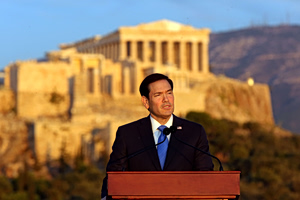
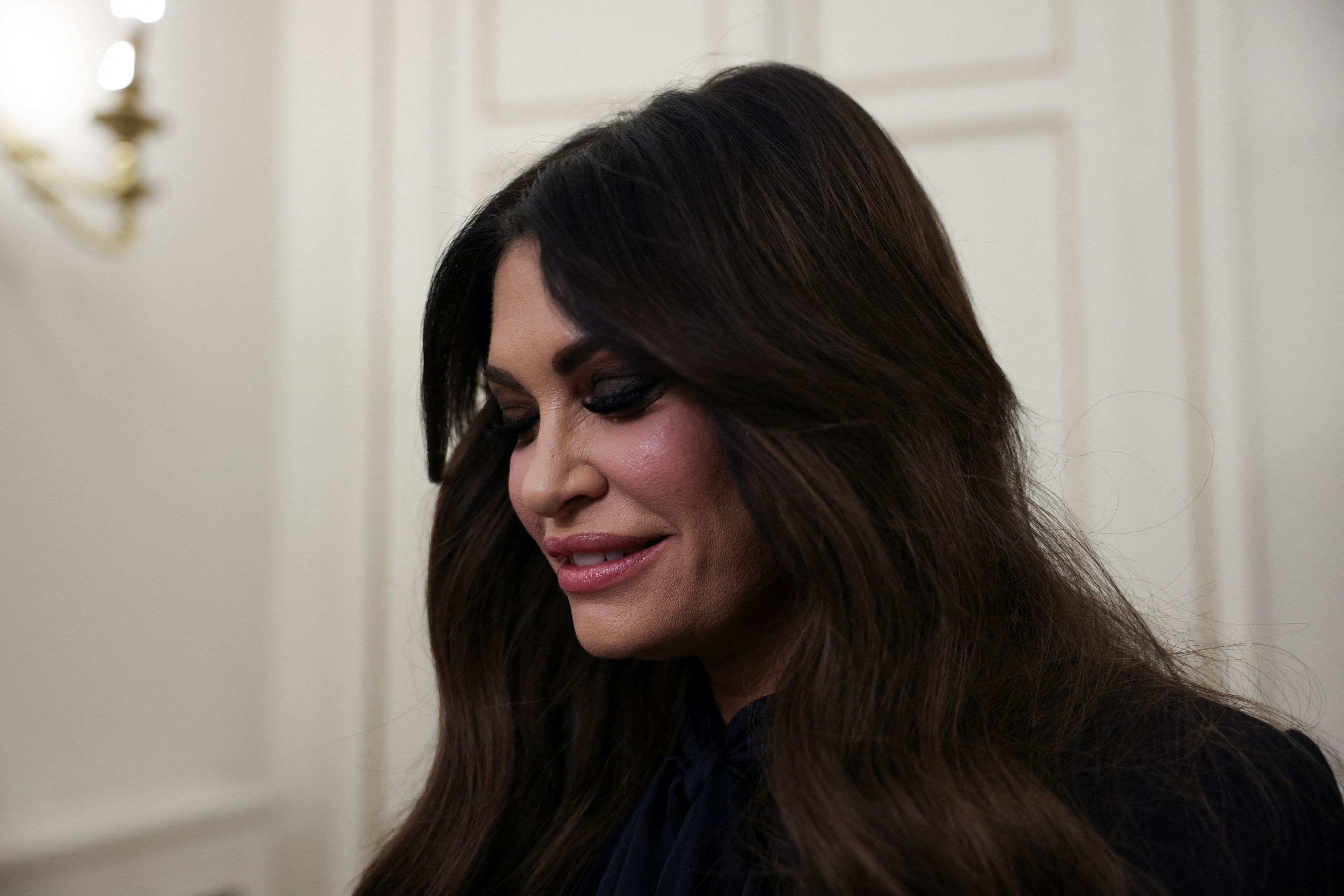
 The removal of Kimberly Guilfoyle from her post as ambassador did not come as a bolt from the blue. It had been announced a few days earlier by both President Trump and Secretary of State Marco Rubio, who could not stomach how exposed he himself had been left by the photographs of him going out with her during his visit to Athens and by the statements he had made about what a “strong” ambassador she was. But this development was not the result of an investigation conducted by the U.S. government. Rather, it was the inevitable outcome of an investigation conducted by an American newspaper. And this, at a time characterized by a widespread undermining of institutions, undoubtedly leaves a crack of hope.
Of course, this is not the first time something like this has happened. Nor is it the first time that this particular newspaper, The Wall Street Journal, has published an exposé and stood by it despite the threats it has received. When Trump learned in July 2025 that the newspaper was going to publish a birthday card he had sent to Jeffrey Epstein in 2003, he called its editor-in-chief, Emma Tucker, and its owner, Rupert Murdoch, and demanded that they not publish it. They refused. The U.S. president filed a defamation lawsuit seeking $10 billion, which a Miami judge dismissed, and he then filed an amended complaint. But the newspaper is not backing down, and it will most likely prevail again.
Even admirers of the ambassador, then, such as Adonis Georgiadis, who described her as “excellent in her role” and expressed his certainty that she “would leave the best possible impression on our country,” should have understood by now that when a newspaper with this kind of standing publishes one report after another about a particular person, with the articles even bearing the names of Pulitzer Prize-winning journalists, it is certainly not a matter of the editor-in-chief’s obsession or the owner’s stubbornness. It is about what is proving to be anything but the shortest joke: the power of independent journalism.
Sources, of course, always have their reasons for speaking out. Clashes between power structures always play some role in bringing incriminating evidence to light. What matters above all, however, is the journalist’s passion for fulfilling their role: holding power to account and getting to the truth.
In this sense, Vice President Vance was right for once. “Let’s see what the truth is,” he told reporters after the first revelations about Guilfoyle. “And obviously, if something bad happened, there will be consequences for those responsible.” How different the world would be if the same principle applied to his entire administration!