
 Μake us preferred on Google
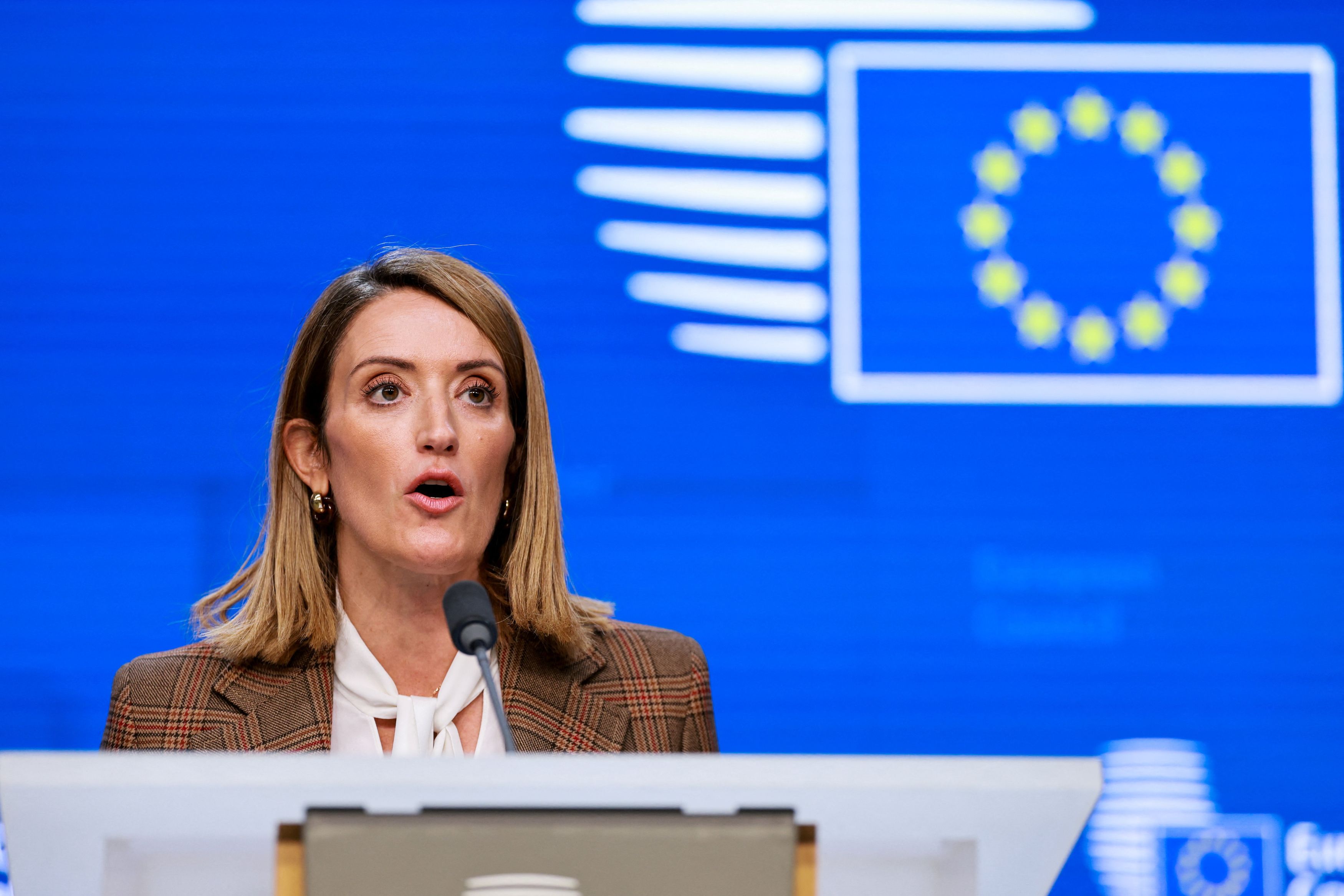
European Parliament President Roberta Metsola cautioned lawmakers on Wednesday against leaning too heavily on artificial intelligence in their work, as the institution gets ready to issue new guidelines on how MEPs should use the technology.
Speaking at an event on AI use in the Parliament, Metsola said that using AI to draft an amendment cannot take the place of real debate with colleagues, and that AI-assisted legal research cannot replace the judgment needed for difficult decisions. She stressed that lawmaking requires democratic accountability, that people should be told when AI has been used, and that responsibility always rests with elected officials.
A Parliament-Built AI Tool
At the same event, Secretary-General Alessandro Chiocchetti said the Parliament is developing its own AI tool for sensitive work, which will run on the institution’s internal infrastructure. Commercial models such as ChatGPT, Claude and Meta’s Llama will remain available for less sensitive tasks. The in-house platform was in testing over the summer, with a rollout possible as early as September 2026.
Parliament officials have raised concerns about a sharp increase in amendments written with AI, some of which refer to laws that do not exist. Chiocchetti described a case in which an MEP asked an AI tool for legal advice and received an incorrect answer, which then took the Parliament’s lawyers two days to disprove.
The issue first surfaced publicly earlier this year. In July, several committee chairs warned that a growing number of MEPs and their assistants were using AI to draft amendments and other legislative texts. Signs included a jump in amendments needing translation, recognizable drafting styles and occasional references to nonexistent laws.
Three Basic Rules
Chiocchetti said the administration will “very soon” present new guidelines to the Parliament’s leadership. The current guidance for staff dates back to 2024. Under existing rules, MEPs do not have to disclose whether an amendment, a parliamentary question or a speech was produced with AI, while staff must label AI-assisted work under guidelines from April 2024 that are now being rewritten.
According to Chiocchetti, the new approach comes down to three principles: be transparent about using AI, never enter sensitive material into a public tool, and check all work before sending it out, since the person’s name is on it.
Any binding obligations for MEPs may require the Parliament’s constitutional affairs committee to change the institution’s rules of procedure, as Chiocchetti suggested after committee chairs asked him to draw up guidance.
He said AI could help staff sort through the thousands of amendments the Parliament handles, but drafting and reviewing legislation must stay in the hands of MEPs, warning against handing political debate over to a chatbot. Every text put to a vote, he added, should be written and checked by people who are willing to defend it, so that citizens can see who made each decision and hold them responsible.
The Parliament’s Own AI Rulebook
The debate comes as the Parliament continues to shape EU-wide rules on the technology. In June 2026, MEPs voted 423 to 57 to amend the EU AI Act for the first time since it took effect in August 2024, pushing back key compliance deadlines and banning AI tools used to create nonconsensual intimate images.