 Μake us preferred on Google
 The trial over Greece’s deadliest railway disaster has turned increasingly contentious, with testimony raising questions about the fire that followed the crash, the handling of the accident site and potentially overlooked evidence, while a confrontation between two victims’ relatives briefly halted proceedings Wednesday.
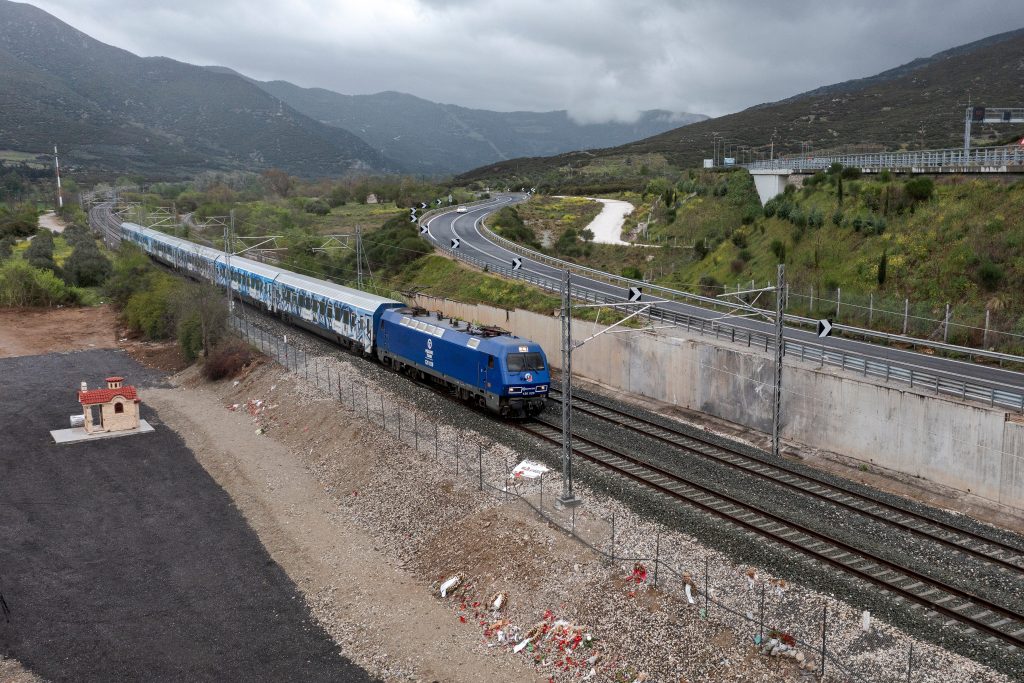
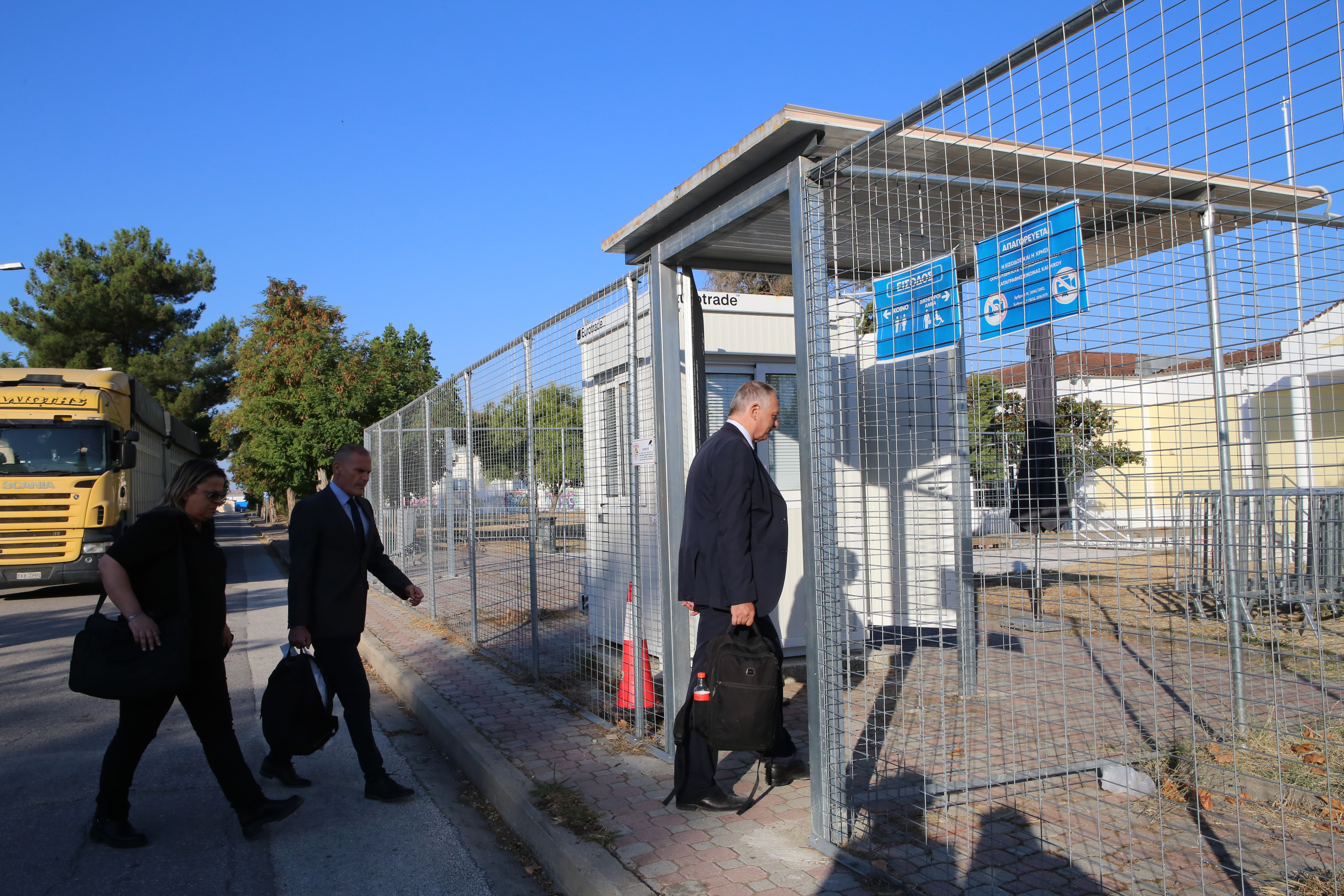
The trial is being held at the Larissa Three-Member Court of Appeals for Felonies, where relatives of the 57 people killed in the February 2023 collision have repeatedly raised questions about what happened immediately after the crash and how the investigation was conducted.
Fireball and questions over the crash site
During an earlier hearing, Antonis Psaropoulos, a lawyer and the father of victim Martha, focused his testimony on the fireball that erupted after the passenger and freight trains collided.
Psaropoulos said the fireball caused the deaths of his daughter and other victims and described the circumstances surrounding the fire as a major issue that the court must address.
He also raised concerns about omissions and delays in the investigation, as well as what he described as changes to the crash site.
Psaropoulos called for the court to examine whether officials at Hellenic Train could bear responsibility over the flammability and fire resistance of the trains’ seats. He also asked that the potential responsibility of officials at the Infrastructure Ministry be investigated.
His testimony had not been completed.
17 cellphones become focus of evidence dispute
Another lawyer representing victims’ relatives, Maria Chatzikonstantinou, announced a written request for the immediate forensic examination of 17 cellphones that were confiscated at the crash site.
She said relatives had requested in 2024 that the devices be examined, but an investigating judge, with the prosecutor’s agreement, had concluded that a forensic examination was not necessary because there were no specific charges at the time.
Chatzikonstantinou argued that examining the phones could produce evidence relevant to the case.
Some of the devices are reportedly in very good condition, with functioning SIM cards. One belonged to the stationmaster.
According to Chatzikonstantinou, the phones have remained in a drawer for about three and a half years.
She said investigators should examine their communications, photographs and any visual or audio material stored on them.
The request is also connected to questions surrounding audio recordings from the night of the disaster and allegations that some recordings may have been edited.
Chatzikonstantinou said that the approximately 11 minutes before the collision were particularly significant, describing them as “dead” minutes during which there appeared to be no communication.
Victims’ relatives are seeking a combined forensic examination of audio recordings, voices, video and cellphone data to establish what happened in the period immediately before the collision.
Father of train driver disputes political claims
Wednesday’s proceedings focused on testimony by Panagiotis Voulgaris, the father of 29-year-old freight train driver Spyros Voulgaris.
Voulgaris said that on the night of the crash he was so concerned about what had happened that he even feared for the life of his wife, who had undergone open-heart surgery.
He also categorically rejected claims that his son had any connection with Prime Minister Kyriakos Mitsotakis.
“Many insults were heard about my child from party leaders. That Spyros was a volunteer in the prime minister’s office. It is completely false,” he said.
Asked by his lawyer, Thomas Staikos, about Mitsotakis’ presence at his son’s funeral, Voulgaris said Deputy Minister Ioannis Oikonomou had contacted him one day earlier to ask whether the family wanted the prime minister to attend.
“I answered that all 300 members of Parliament, if they wanted, could attend,” he said.
Tensions erupt among victims’ relatives
The hearing became heated when Voulgaris was asked about a meeting of victims’ families in March 2024, an issue that had also been raised during a testimony by the family of train driver Dimitris Massalis.
Voulgaris said the families had created a group on Viber and that Nikos Plakias had proposed a meeting involving all the families.
He then referred to Antonis Psaropoulos, saying that the father of a victim and lawyer had stood up during the meeting. “Let it be heard by this respected court, all the families had made a Viber group. A message came from Nikos Plakias to have a meeting with all the families. At the meeting, however, the father of a victim, and I am sorry that he is also a lawyer, jumped from his seat…”, referring to Psaropoulos and, prompting an angry reaction from him.
The following conversation followed:
Psaropoulos reacted angrily, shouting, “Enough, that’s enough.”
The two men then exchanged heated remarks.
Voulgaris: “Why did you throw us out?”
Psaropoulos: “I wanted to protect you, but how could you understand…”
Voulgaris: “Have you no shame? Shame on you, you humiliated us.”
Police officers inside the courtroom intervened and separated the two men.
The presiding judge temporarily suspended the proceedings to allow the situation to calm down.
Investigation remains under scrutiny
The testimony and requests presented during the proceedings have kept the focus on both the causes and the aftermath of the Tempi disaster.
Questions raised in court include the circumstances surrounding the post-crash fire, the handling and possible alteration of the accident site, the actions of officials and railway personnel, and whether potentially important evidence was properly examined.
The request to forensically examine the 17 cellphones, together with audio, video and other digital evidence, is now another point of contention as the court continues hearing testimony in the case.