 Μake us preferred on Google
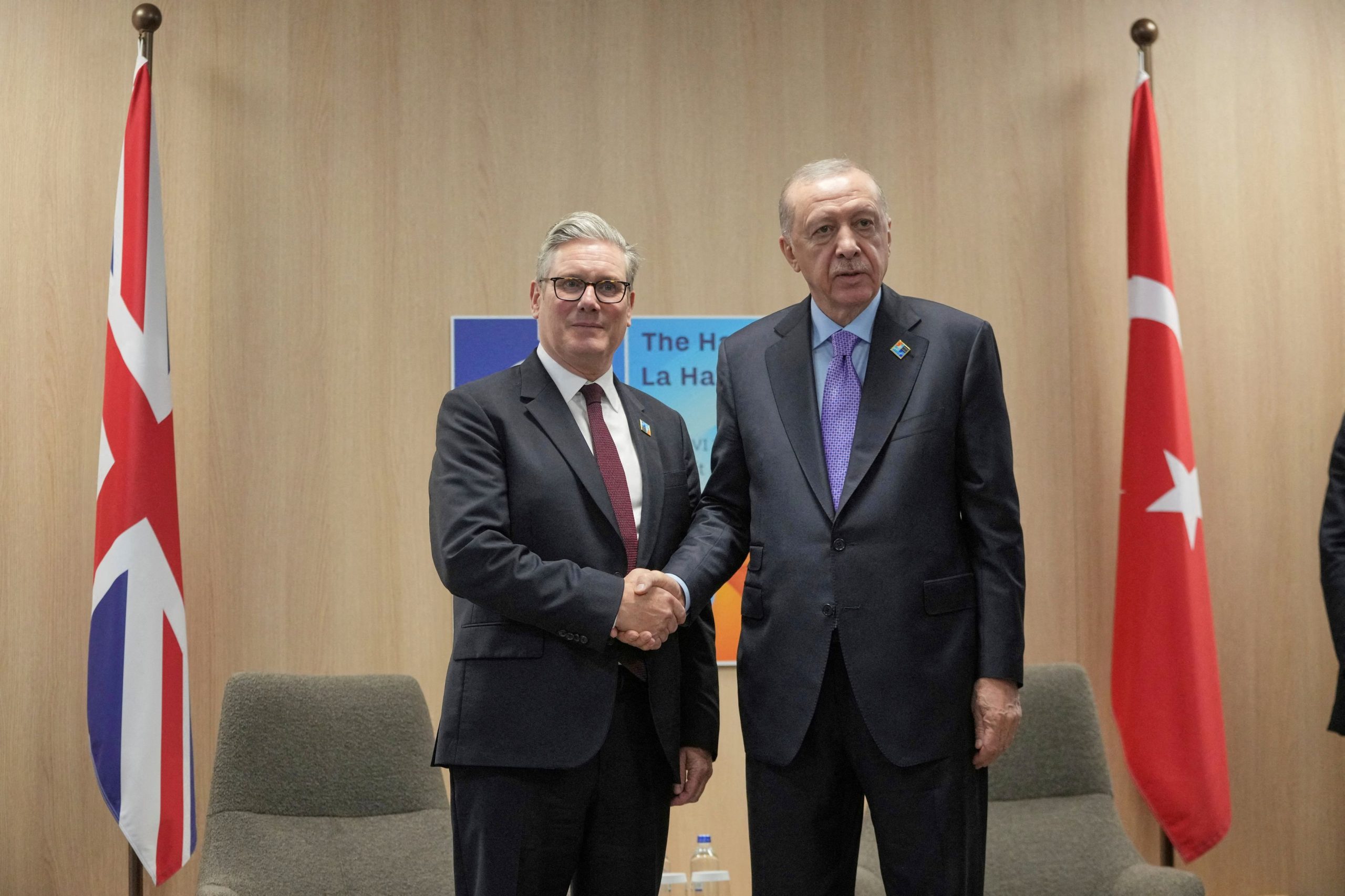
 British Prime Minister Keir Starmer’s first visit to Turkey has been overshadowed by an unfolding espionage case and growing unease in Greece, as Britain moves to finalize the sale of Eurofighter Typhoon jets to Turkey.
The trip, billed as a milestone in British-Turkish defense cooperation, coincided with prosecutors in Istanbul charging Ekrem İmamoğlu, the city’s opposition mayor and one of President Recep Tayyip Erdogan’s most prominent rivals, with indirectly spying for British intelligence.
The two developments — one diplomatic, one deeply political — have converged to raise uncomfortable questions about Europe’s relationship with a strategically vital but increasingly authoritarian ally.
Arms deal amid controversy
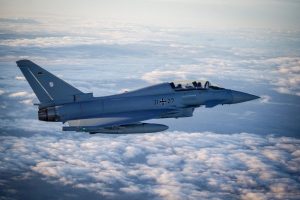
According to the Financial Times, Starmer’s delegation — which includes Defense Secretary John Healey and Air Chief Marshal Harv Smyth — arrived in Ankara on Monday to complete a deal for up to 40 Eurofighter Typhoon aircraft, worth around £6 billion.
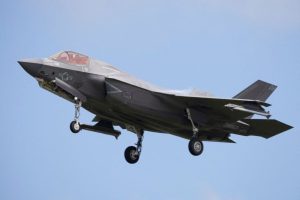
The sale, backed by Germany after it lifted its opposition in July, would mark Turkey’s most significant air force upgrade since its expulsion from the U.S. F-35 fighter program in 2019. The aircraft, produced jointly by Britain, Germany, Italy, and Spain, are expected to replace Turkey’s aging F-16 fleet.
According to reports from the Middle East Eye, the agreement could see 20 aircraft currently in service with the British Royal Air Force delivered swiftly, with another 20 adapted to Turkish specifications and handed over later. Ankara is said to be pushing for rapid delivery as it seeks to bridge the technological gap until production begins on its own indigenous fifth-generation Kaan fighter jet in 2028.
Athens watches in silence
In Athens, the Eurofighter deal has not triggered public comment from the Greek government, but it is being closely monitored. The two NATO allies remain at odds over airspace, maritime borders, and sovereignty in the Aegean Sea — long-standing disputes that have brought them to the brink of confrontation several times in recent decades.
Any significant enhancement of Turkey’s air capabilities, analysts note, could have implications for the balance of power in the region. Greek defense circles view the Eurofighter sale as part of Ankara’s broader strategy to reassert military dominance and project strength across the Eastern Mediterranean.
For now, the concern in Athens remains quiet but tangible: a mix of strategic vigilance and frustration that European partners appear willing to reward Turkey’s regional assertiveness even as its democratic standards erode.
Espionage charges deepen political chill
The political atmosphere surrounding Starmer’s visit grew heavier after Turkish state media reported that İmamoğlu — imprisoned since March under a separate corruption probe — was accused of having indirect links to a businessman detained in July for allegedly working with Britain’s MI6 intelligence service.
If the courts proceed with the espionage case, the Turkish government could appoint a state trustee to take control of Istanbul’s powerful municipality, according to analysts cited by the Financial Times.
Erdogan’s critics see the timing as deliberate: a move to consolidate control over Turkey’s largest city and weaken the opposition ahead of the 2028 elections. “Turkish democracy is the casualty of Europe’s rediscovery of Turkey’s strategic value,” wrote journalist Barçın Yinanç, summarizing a widespread view within Turkey’s beleaguered opposition.
Strategic partner, uneasy neighbor
For Britain, the deal reflects an effort to reinvigorate its defense industry and strengthen ties with a key NATO partner at a time of global instability. For Turkey, it marks an opportunity to showcase itself as an indispensable regional power.
“From Syria to Gaza, from the Gulf to the Russia-Ukraine conflict, no equation can be formed without Turkey,” Erdogan declared over the weekend, underscoring the central message of his diplomacy.
To many in Greece, that message carries a different resonance. Turkey’s growing military confidence and its overlapping claims in the Aegean and Eastern Mediterranean remain persistent sources of friction.
Europe’s delicate balancing act
Starmer’s Ankara trip will be followed by German Chancellor Friedrich Merz’s visit later in the week, as Europe re-engages with Turkey amid renewed geopolitical tensions. Ankara is also in talks with Qatar, which could redirect part of its own Eurofighter order to Turkey, further accelerating deliveries.
The developments underscore a familiar dilemma for Europe and NATO: how to reconcile strategic necessity with democratic principle.
For Athens — and for many across southeastern Europe — that question is far from abstract. The future of regional stability, they warn, will depend not only on military deterrence but on mutual trust, transparency, and respect for democratic norms among allies.