
 Μake us preferred on Google
 Important questions are emerging over the investigation into the air tragedy in Tanagra, north of Athens, 10 days ago, after evidence from the crash was found inside the body bag used to transport one of the two dead pilots’ remains to Ioannina.
According to TA NEA, mainly pieces of the aircraft’s cockpit were discovered, according to a document obtained by the newspaper, while the remains were being processed shortly before the burial in the city of Epirus.
Among the items, initial examinations reportedly indicate, is a section of the aircraft’s altimeter mechanism, which is considered important to analyzing the aircraft’s flight path — including its low-altitude flight — shortly before control was lost.
The discovery has left government officials and people close to the dead pilot questioning how these objects ended up at that particular location, where they could potentially have been lost forever.
Questions are also being raised over why the objects were not examined by Air Force experts. The key issue is whether this was an unusual “oversight” or could conceal deliberate action.
The findings, which were discovered hundreds of kilometers from the crash investigation area, initially point to an inadequate investigation, as well as a lack of respect for the dead pilots. There are also questions over whether similar objects connected to the aircraft’s crash in Tanagra may have been present — but gone undetected — during the transportation and burial of the other pilot’s remains in Pyrgos.
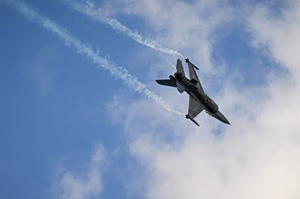
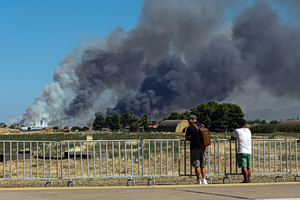
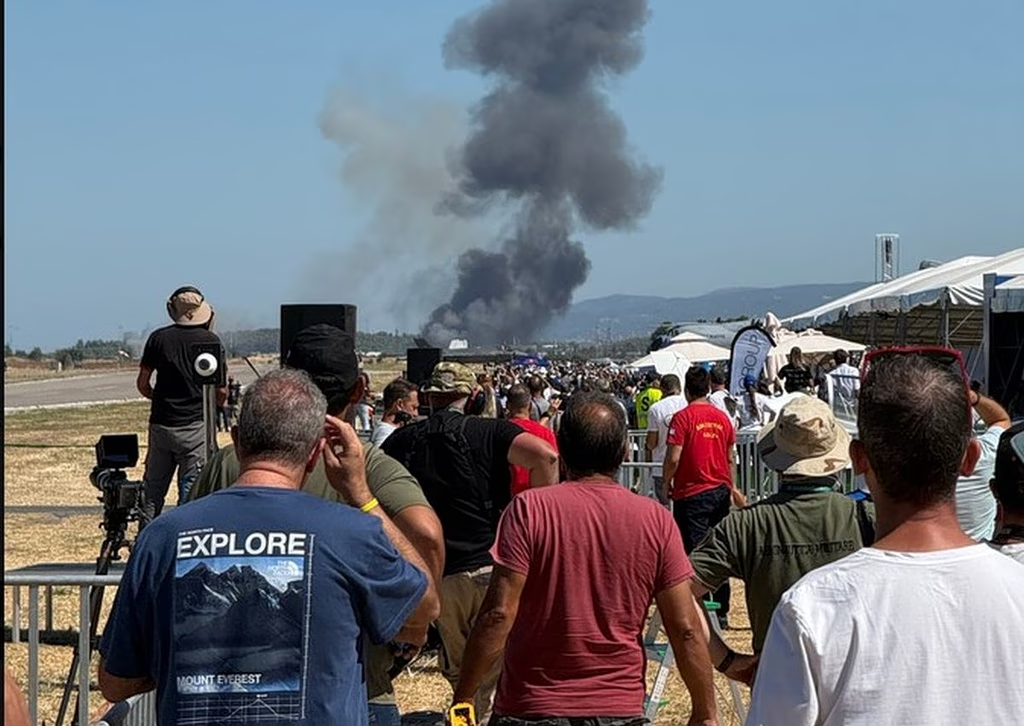
The Tanagra crash occurred around noon on Saturday, September 5, during an air show. The aircraft was an F-4E Phantom II operated by the 338 Squadron of the 117 Combat Wing. According to an official announcement by the Hellenic Air Force General Staff, it crashed about three nautical miles southeast of the 114 Combat Wing. Both experienced pilots, who had more than 1,500 flight hours, were killed: 40-year-old Squadron Leader Ioannis Blesias and 37-year-old Flight Leader Dimitrios Petrou.
The two pilots initially underwent autopsies in Athens, after which their remains were sent to Ioannina and Pyrgos for burial.
The document
However, a document obtained by TA NEA and dated September 10, 2026, introduces new elements into the investigation of the Tanagra tragedy.
In the document, Ioannis Aivatidis, head of the Forensic Service of Epirus, who undertook the embalming of the 37-year-old pilot’s remains in accordance with the legally prescribed procedures, stated that “various objects that had been transported with the remains and had in fact been abandoned were found and recovered inside the bag.” These included a Hellenic Air Force survival manual with many pages that were partially burned.
The document said the undersigned considered it necessary to immediately notify the Hellenic Police in Ioannina. After a sworn statement was taken from him, police seized the objects so that they could be properly handed over as evidence connected to the crash of the Hellenic Air Force aircraft.
According to the initial search and analysis of three or four pieces of evidence found inside the aforementioned transport bag in Ioannina, one green-colored object is very likely to be part of an electronic circuit board, probably with a card-edge type connector.
On one side, analysts say, regularly arranged contacts or “teeth” can be seen, characteristic of a board connector, while traces of electronic components and soldering were also visible.
An F-4 Phantom contained numerous removable electronic circuit boards in its radar, communications, navigation and weapons activation systems. Investigators are also examining whether one of the objects, because of clear similarities, could be part of an aircraft altimeter mechanism, specifically, a piece of a rotating drum and scale marked “meters,” with numbers such as 4,000 and 8,000.
Another metal section is reportedly a military-style strap adjustment buckle, a component from flight equipment such as a parachute or seat harness, or an oxygen-mask strap. The shape of the pin found is described as characteristic of a quick-release mechanism.
A shiny black piece was also recorded, possibly part of a cover or insulating casing, with indications of exposure to heat and burning or concealment.