 Μake us preferred on Google
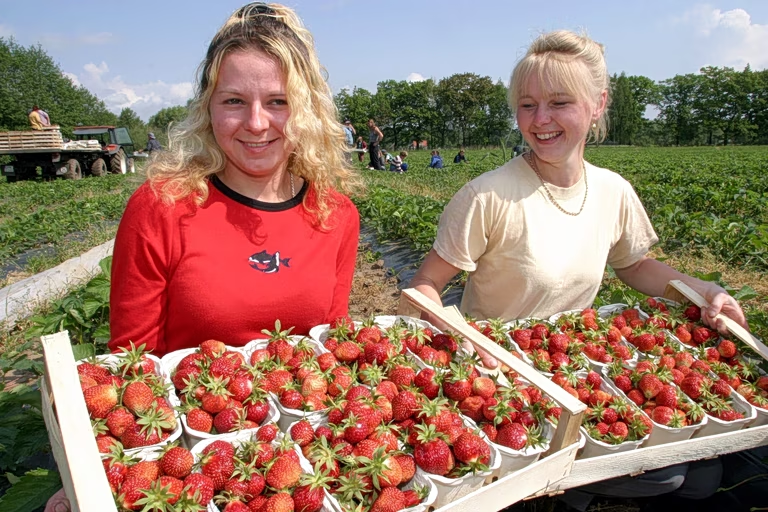
 Long before climate change blurred the boundaries of the seasons, strawberries were already the unmistakable sign that spring had arrived. All it took was a walk past a fruit market: stalls overflowing with bright red berries, their fragrance filling the air, announcing winter’s end better than any calendar could.
For lovers of summer fruit, strawberries have always been the opening act — the first promise of everything still to come: apricots, cherries and peaches, followed by watermelons, figs and grapes at the height of summer.
But for now, strawberries are the undisputed stars. Few fruits are as generous. They offer intense aroma, sweetness, vibrant flavor and abundant juice, which explains why they are so widely used in the food industry. From jams, syrups and sauces to candies, sorbets, ice creams and smoothies, strawberries lend themselves to almost endless culinary possibilities.
A little berry history
The strawberry’s powerful scent inspired its Latin name, Fragaria, meaning “fragrant.” Botanically speaking, however, strawberries are surprisingly deceptive. Despite the “berry” in their English name, they are not technically berries at all, but rather aggregate fruits made up of many tiny fruits fused together.
The modern garden strawberry was first cultivated in Brittany, France, around 1750, after an accidental crossbreeding between species brought from North America and Chile.
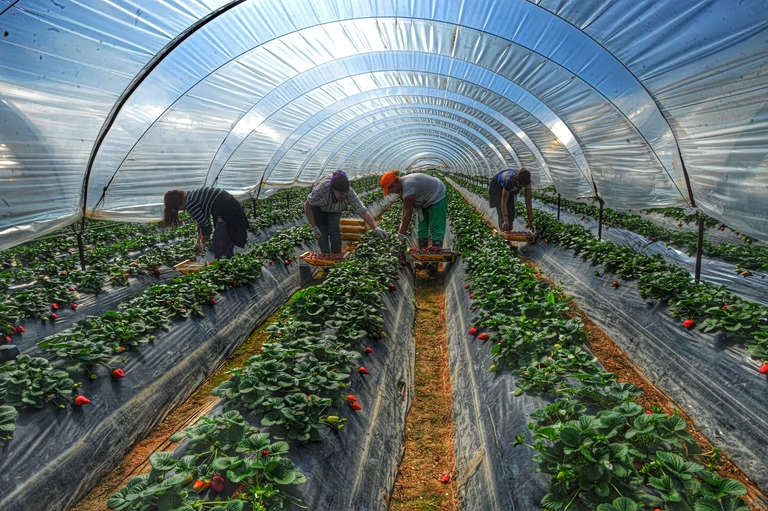
In Greece, the most widely grown varieties include Fortuna — an early-ripening, slightly elongated berry — Aroma, a smaller pink-hued variety, Camarosa with its deep red color and large fruit, Rosiera, known for its sweetness, and Formosa, a medium-sized sweet variety.
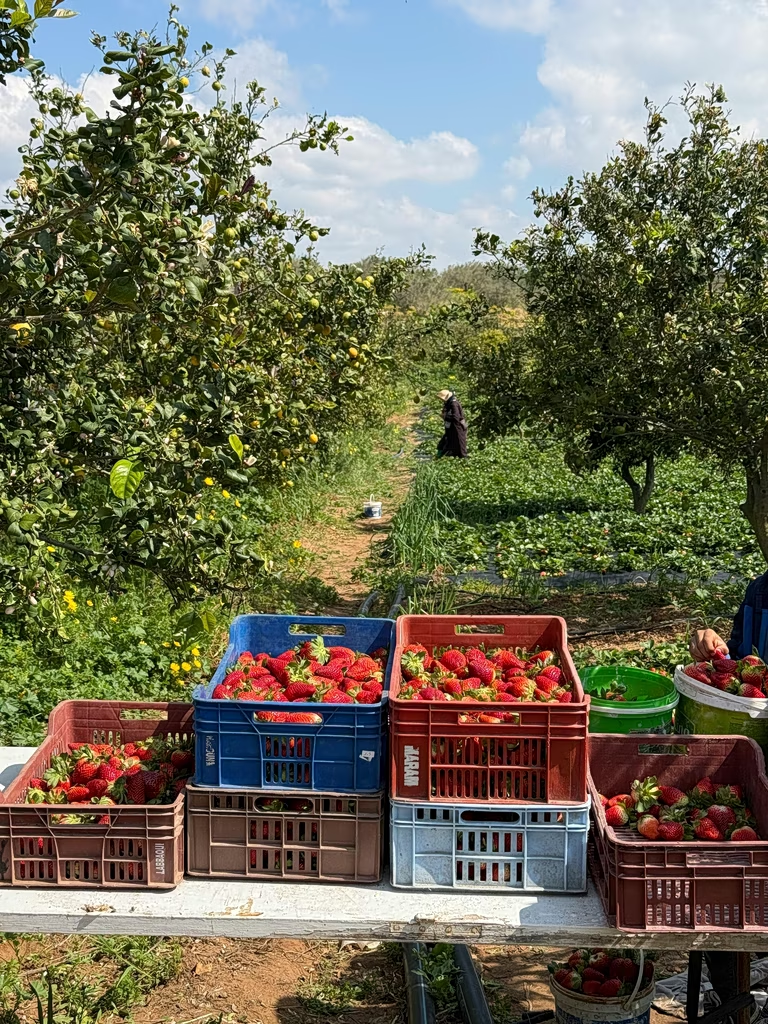
Most Greek strawberries are cultivated in the region of Ilia in the western Peloponnese, particularly around Manolada, an area internationally known for its strawberry production. Significant cultivation also takes place in Achaia and Messinia. Later in the season, cooler mountainous regions in Corinthia, western Greece and Arcadia continue supplying strawberries well into early summer.
Strawberries in Greece are grown both outdoors and in greenhouses, using conventional, integrated management and organic farming methods.
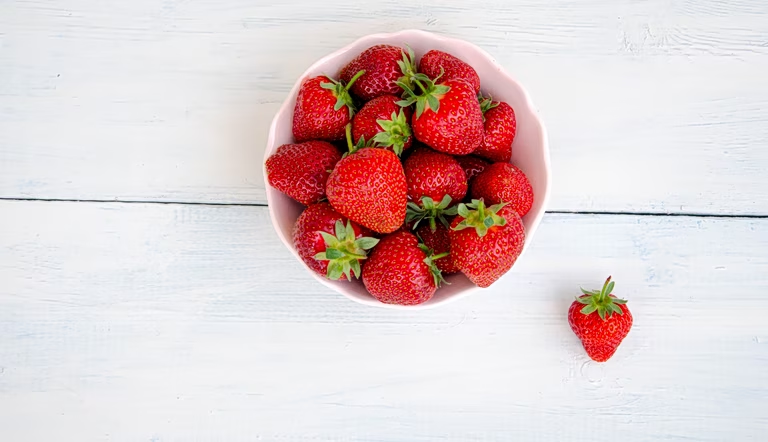
Greek strawberries have become one of the country’s most important export products. Compared with many international competitors, Greece consistently produces strawberries prized for their appearance, flavor and overall quality.
Why choosing organic strawberries matters
Strawberries are among the most delicate fruits to cultivate, often requiring fertilizers and herbicides that can accumulate in the human body over time.
Although Greek strawberries are considered among the safest in Europe — generally avoiding the excessive pesticide levels reported elsewhere — organic farming offers an additional layer of reassurance. Organic cultivation relies on soil balance and crop rotation rather than heavy chemical intervention, avoiding the chemical burden that frequently places conventionally grown strawberries among the produce with the highest pesticide residue levels.
There is also ongoing public concern regarding the “hormones” supposedly used in strawberry cultivation. In reality, these are not animal hormones but plant growth regulators designed to help the plant develop properly under certain conditions.
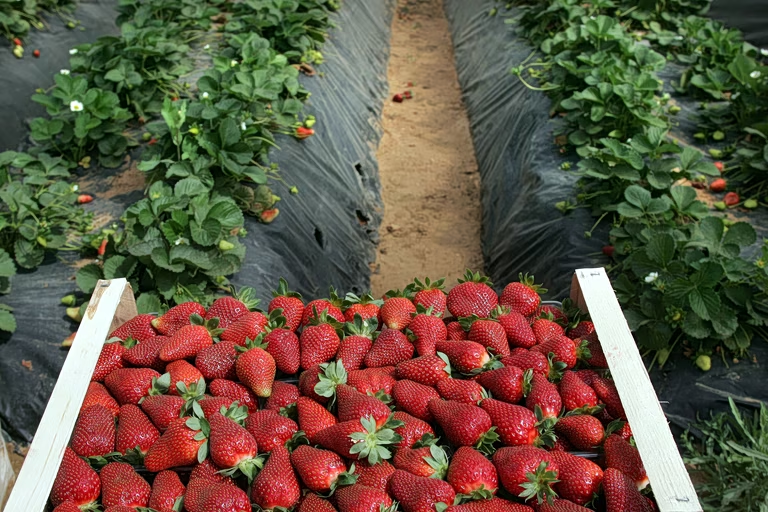
Choosing organic strawberries brings consumers closer to the fruit’s natural character: berries grown more slowly, without artificial intervention, preserving their nutritional integrity.
Still, strawberries should always be washed thoroughly with lukewarm water before consumption to remove any traces of pesticides or tiny insects trapped on their surface.
A Vitamin C powerhouse—and so much more
Beyond their flavor, strawberries are considered a genuine superfood with impressive health benefits.
Research conducted at Harvard University has shown that anthocyanins — antioxidants abundant in strawberries — may reduce the risk of heart attacks in younger and middle-aged women by up to 32%.
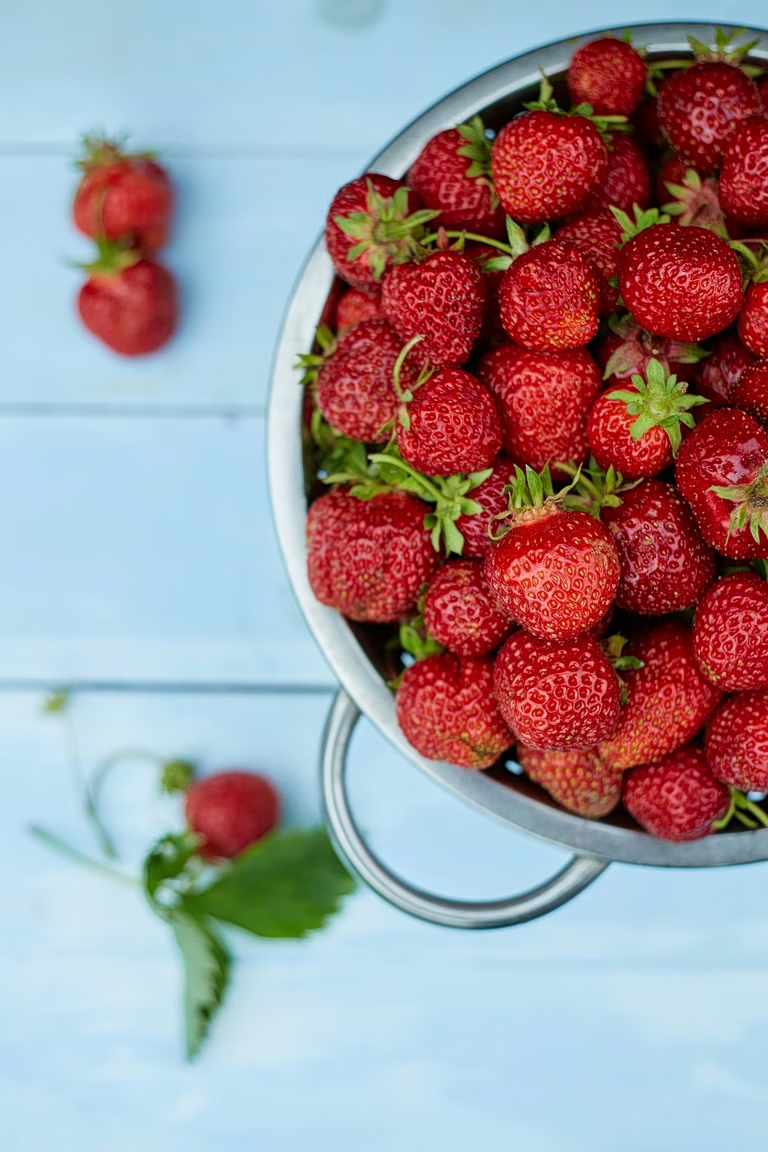
Their polyphenols also act as anti-inflammatory compounds, helping lower blood pressure and reduce the buildup of arterial plaque. Combined with their high fiber and potassium content, strawberries offer significant cardiovascular support.
Protective compounds such as kaempferol and quercetin may also help prevent blood clots associated with strokes. Their antioxidants combat free radicals and may inhibit tumor growth, contributing to cancer prevention efforts.
Thanks to their high potassium content, strawberries are considered ideal for regulating hypertension, while their fiber and water content help combat constipation. Their low glycemic index also helps regulate blood sugar levels and reduce the risk of diabetic complications.
And despite all these benefits, strawberries remain remarkably light: just one cup contains around 53 calories while delivering 160% of the recommended daily intake of vitamin C, along with calcium, iron, magnesium and phosphorus.
Choosing the best strawberries
A truly flavorful strawberry reveals itself through appearance, texture and aroma.
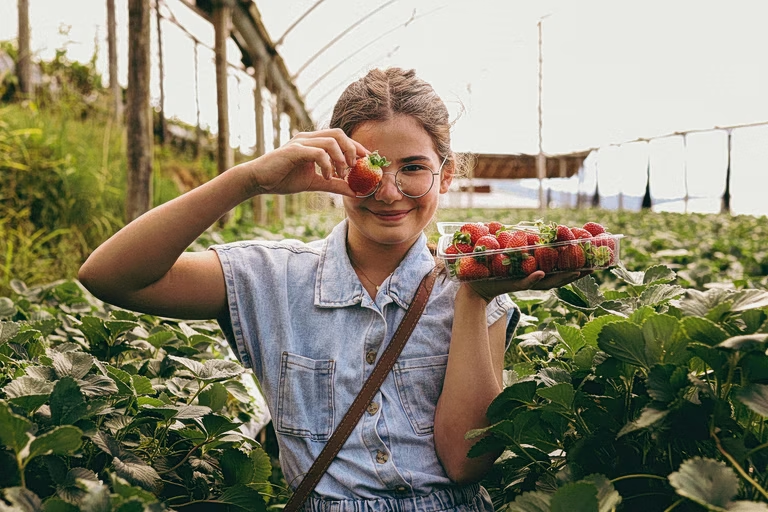
Look for glossy berries with a vivid red color. A naturally ripened strawberry should be juicy and free of hollow spaces inside when sliced open.
Small imperfections or slight discolorations should not necessarily be viewed negatively. They are often caused by sudden temperature fluctuations between day and night or, in the case of early-season fruit, limited sun exposure.
Most importantly, good strawberries should have a strong fragrance and fresh green leaves — never dry or wilted ones.
Storing strawberries
Strawberries should never be washed or hulled before refrigeration. Any spoiled berries should also be removed immediately to prevent the others from deteriorating.
To extend freshness, store them in a container lined with absorbent kitchen paper and seal it with a lid.
Meet the rare white strawberry
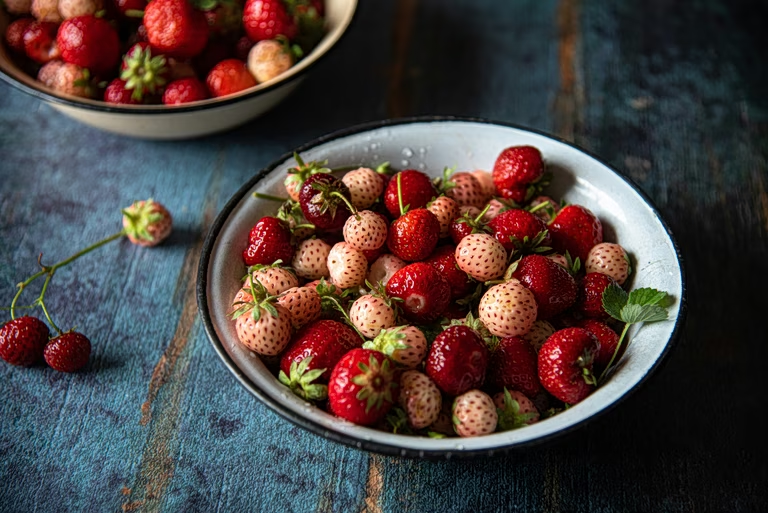
Beyond the familiar red strawberry lies a far rarer variety that has recently captured growing attention: the white strawberry, also known as the pineberry.

Its appearance is striking — white flesh dotted with vivid red seeds — but its flavor is even more surprising, carrying unmistakable notes of pineapple.
Though it may seem like a modern novelty, the pineberry is actually the world’s oldest strawberry variety. Native to Chile, where it still grows wild in protected areas of the Andes, it is one of the two original parent species of the modern strawberry we know today.
Despite its historical significance, pineberry cultivation nearly disappeared because of its low yields and extreme fragility. It was revived only through the efforts of Dutch growers in the early 21st century, eventually returning — in very limited quantities — to select specialty markets.
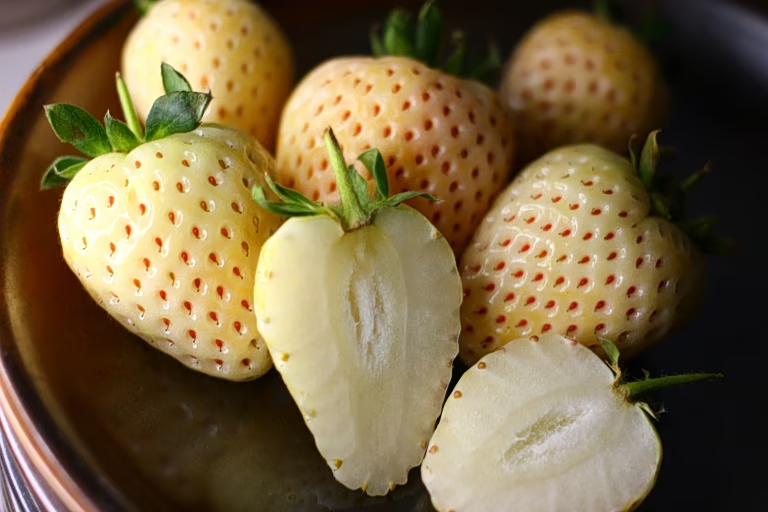
For gardening enthusiasts, pineberries represent both a challenge and an opportunity. They are particularly well-suited to organic cultivation and highly resistant to disease. They thrive in sunny locations and can grow alongside traditional red strawberries, producing fruit during June and July.
The greatest challenge lies in harvesting them correctly. Because their white color makes them appear permanently unripe, the key indicator is the seeds: once they turn a vibrant deep red, the fruit is ready to pick.
Due to their extremely short shelf life, pineberries must be consumed quickly or carefully preserved to avoid losing their delicate flavor. If you are fortunate enough to find a substantial quantity, freezing remains the best preservation method, following the same careful process used for regular strawberries to prevent the fruit from sticking together.
How to enjoy strawberries all year long
Strawberries may be synonymous with spring and the first whisper of summer, but there is no reason to give them up once winter arrives.
They can easily be preserved in jars, bottles or freezers and enjoyed throughout the year in countless ways.
To dry strawberries, bake them for two and a half hours at 90°C (194°F).
For freezing, wash the strawberries thoroughly and dry them completely. Remove the stems and place the berries on a parchment-lined tray, making sure they do not touch each other. Freeze them until solid, then transfer them into freezer-safe bags and return them to the freezer.