 Μake us preferred on Google
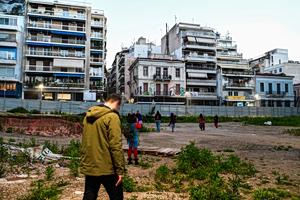
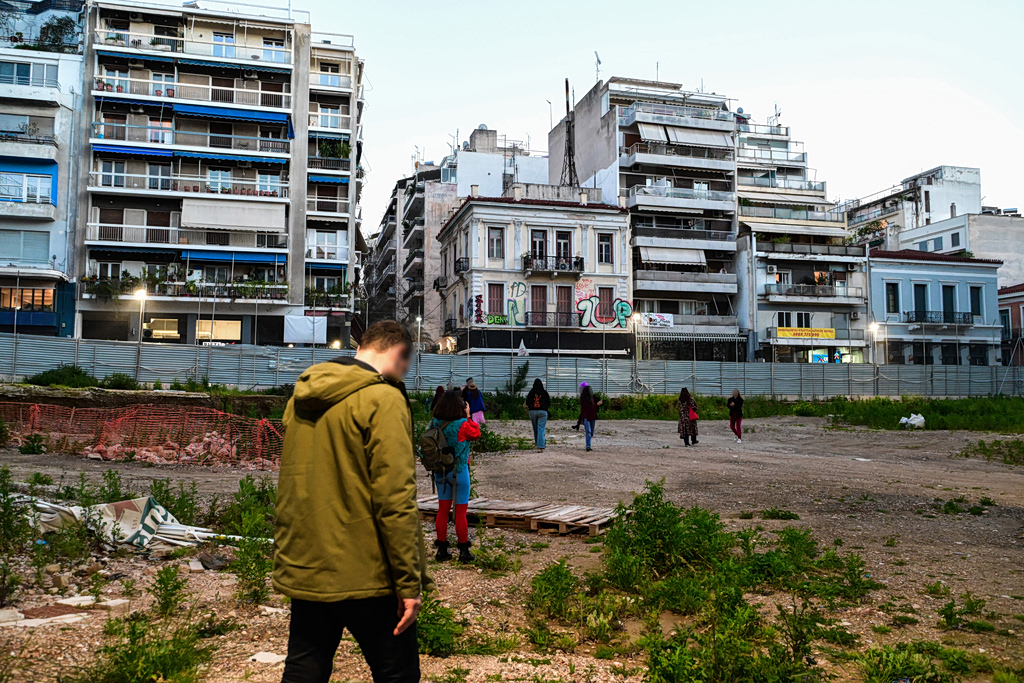
 For months, residents of Kypseli, one of Athens’ most densely built neighborhoods, have watched cracks spread across walls, doors shift in their frames and an enormous tunnel boring machine sit motionless beneath their streets.
Now, engineering assessments are giving a clearer picture of what has happened above the stalled construction of Athens Metro Line 4, and the findings go considerably beyond cosmetic damage.
Interim assessments by experts appointed through the Technical Chamber of Greece (TEE) have identified damage affecting both masonry and structural elements in apartment buildings along the tunnel route. According to the reports, as described by the residents’ legal representative, most of the buildings examined show a “definite” or “significant reduction in the resistance” of concrete and masonry elements.
In one building, the experts recorded what they described as a “detachment and relative displacement of the building.”
The repairs required are extensive enough that residents of some buildings may need to move out temporarily while work is carried out.
It is the latest development in a problem that has effectively frozen a section of one of Athens’ biggest infrastructure projects and left residents unsettled and concerned about the safety of their homes.
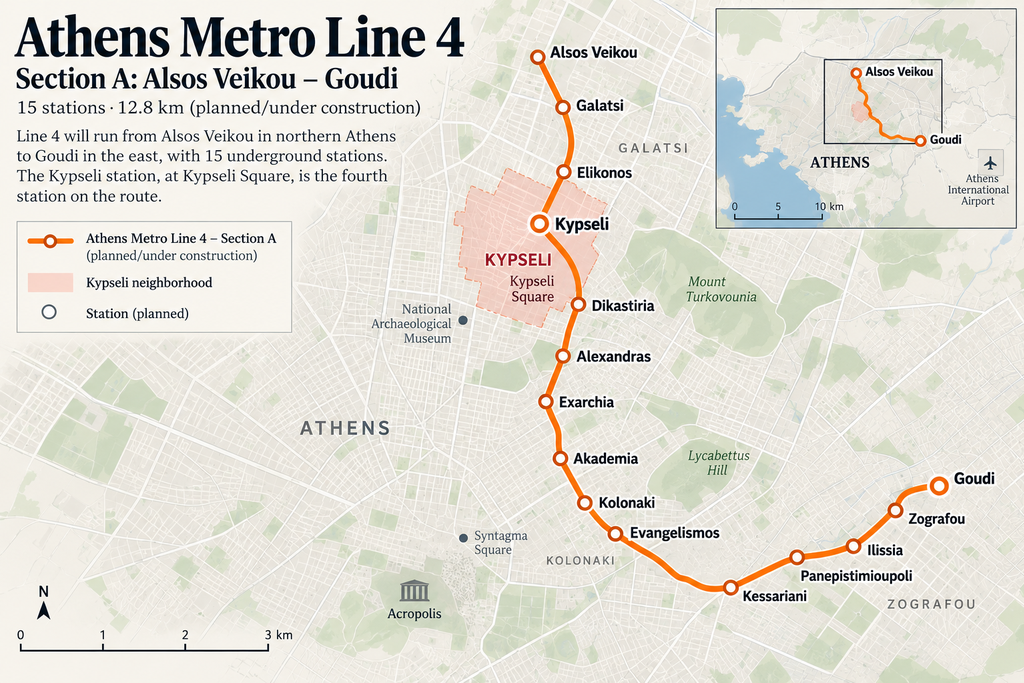
Image generated by AI. Translated from official governmental metro line 4 map
What Happened Beneath Kypseli?
The trouble emerged this past spring as a tunnel boring machine, or TBM, was excavating the route of the future Metro Line 4 beneath Kypseli.
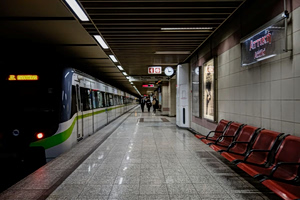
Line 4 is one of the largest additions to Athens’ public transport network in decades. Its first section will eventually connect Alsos Veikou with Goudi through 15 new stations, including one at Kypseli’s Kanari Square.
But construction beneath Kypseli ran into problems.
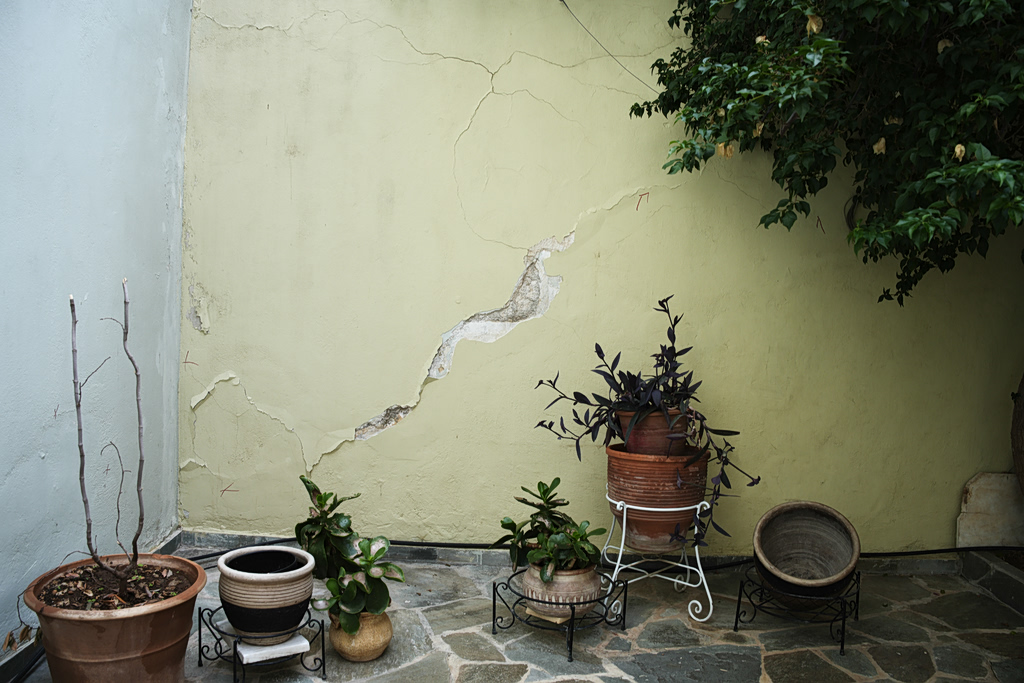
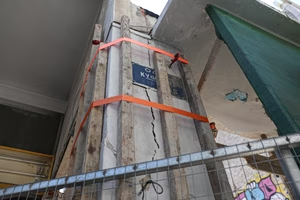
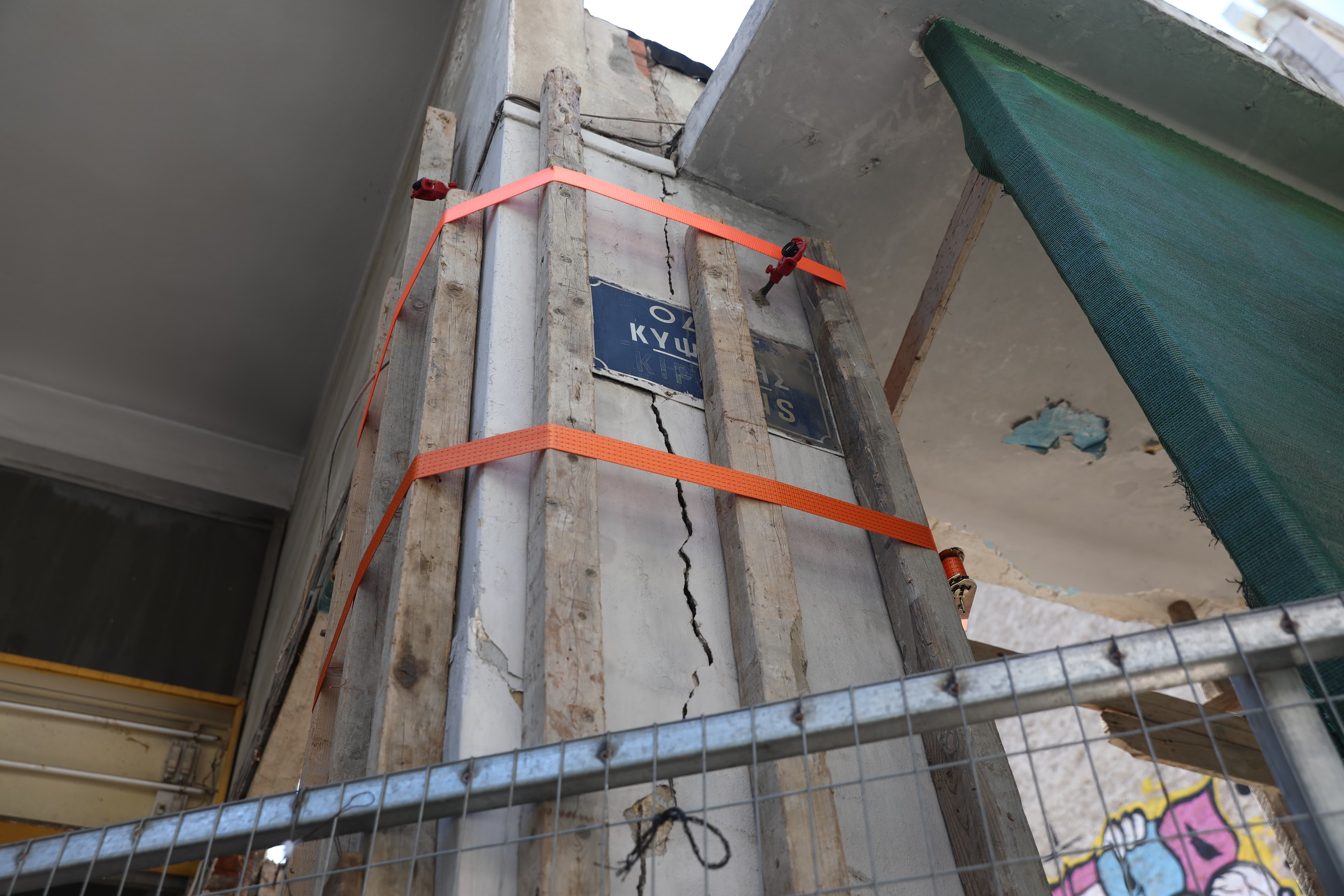
An image of a home in Kypseli which sustained damage from metro construction work, Athens, Greece on September 30, 2026
Residents reported cracks in apartment buildings beginning in the spring, with some saying the damage worsened over time. Doors and windows reportedly stopped closing properly. Other damage appeared in walls and building elements. Reports have placed the first signs of cracking as early as March 22.
Then, in April, a thick slurry associated with the tunneling process emerged at street level. Elliniko Metro, the state-owned company overseeing the project, said the substance was soil paste produced during excavation, when special foam containing chemical additives is injected under controlled pressure to balance ground pressure and protect structures above the tunnel. It was not concrete, as initially reported.
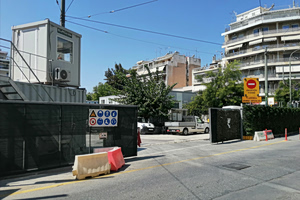
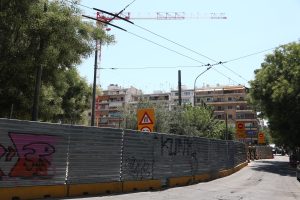
By May 8, the TBM had stopped. Tunneling has remained suspended while engineers investigate the buildings and determine under what conditions tunneling can safely resume.
By July, the Municipality of Athens said damage had been reported in around 200 apartments.
The Athens prosecutor’s office subsequently ordered an urgent preliminary investigation into the reported damage, potential risks to residents and whether any criminal offenses had been committed.
Not Simply a Question of Cracks
One complication has followed the case from the beginning: Kypseli’s buildings were not new or necessarily in perfect condition before the Metro arrived.
Much of the neighborhood consists of aging apartment blocks, and engineering assessments have had to distinguish pre-existing vulnerabilities from damage associated with the tunneling and subsequent ground movement.
But the latest assessments suggest the issue cannot be dismissed as superficial cracking in old buildings.
@ingr_newsΛύθηκε το μυστήριο με το «υγρό τσιμέντο» στην Κυψέλη – Η γραμμή 4 του Μετρό πίσω από το φαινόμενο #ingr #news #κυψελη #μετρο #fy #fyp♬ original sound – in.gr
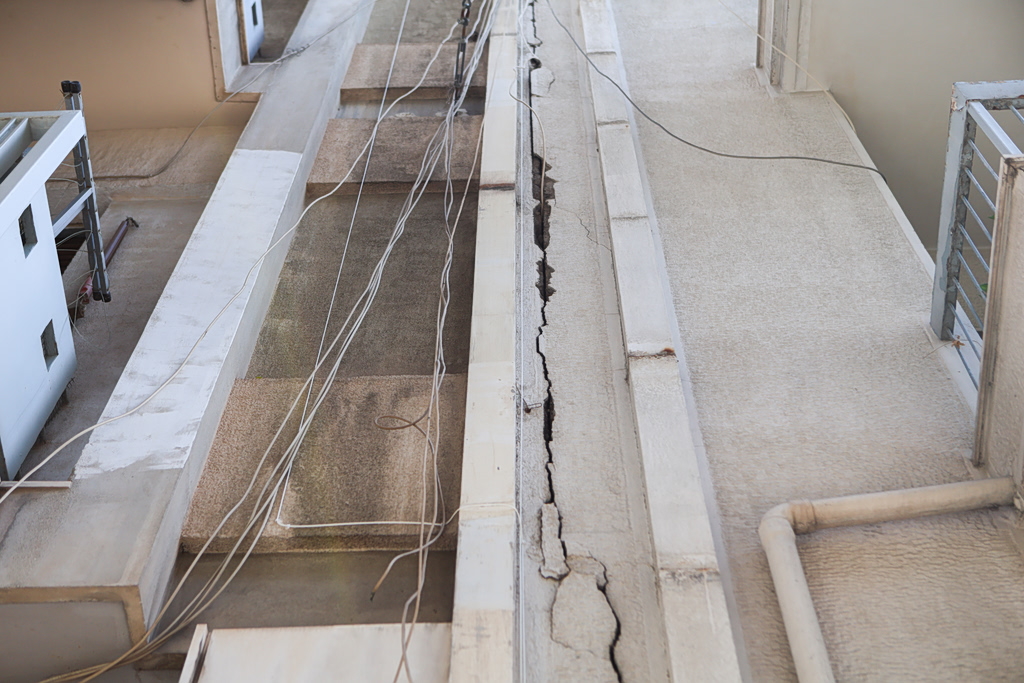
The interim reports examine 14 apartment buildings individually. According to a lawyer representing the affected residents, the assessments conclude that, against the background of an already vulnerable building stock, the tunneling works caused damage to both masonry and structural elements.
In some cases, engineers say further investigation is needed, including examination of the foundation conditions beneath facade columns.
Strengthening and repair measures are recommended across the buildings examined, varying according to the damage and characteristics of each structure.
The reports describe the necessary interventions as “extensive”, and difficult to carry out while the buildings remain occupied.
That is why temporary evacuation during repair work has entered the discussion.
How Many Buildings Are Affected?
That remains surprisingly difficult to answer.
The TEE interim assessments released so far cover 14 apartment buildings.
Residents have formally reported damage in at least 25. An agreement between Elliniko Metro and the Technical Chamber referred to assessments of at least 20 buildings where cracking had been reported.
Deputy Infrastructure and Transport Minister Nikos Tachiaos, meanwhile, told the Athens City Council in September that 87 buildings lie within the project’s zone of influence. Of those, 35 had been inspected, while 14 buildings where problems were identified were referred to the TEE for expert assessment.
Residents argue that every building showing damage should undergo an independent expert assessment.
“The entity being scrutinized [the Elliniko Metro) cannot determine the scope of the inspection,” highlights the lawyer.
Homes Above, a Metro Project Below
Line 4 is intended to expand public transport through some of the capital’s densely populated neighborhoods, and the Municipality of Athens has repeatedly said it supports the project.
At the same time, hundreds of people live directly above the construction zone and are increasingly concerned about the safety of their homes and the level of transparency around assessments.
Residents have organized demonstrations and demanded access to technical documentation, full restoration of damaged properties and assurances that tunneling will not resume until their homes are safe.
On Wednesday, residents gathered at the Athens Court of First Instance, where their request for a temporary court order was being considered as part of interim legal proceedings against Elliniko Metro. They are seeking access to technical documents they say are necessary for the rapid repair of their homes and measures to prevent further damage.
cn