 Μake us preferred on Google
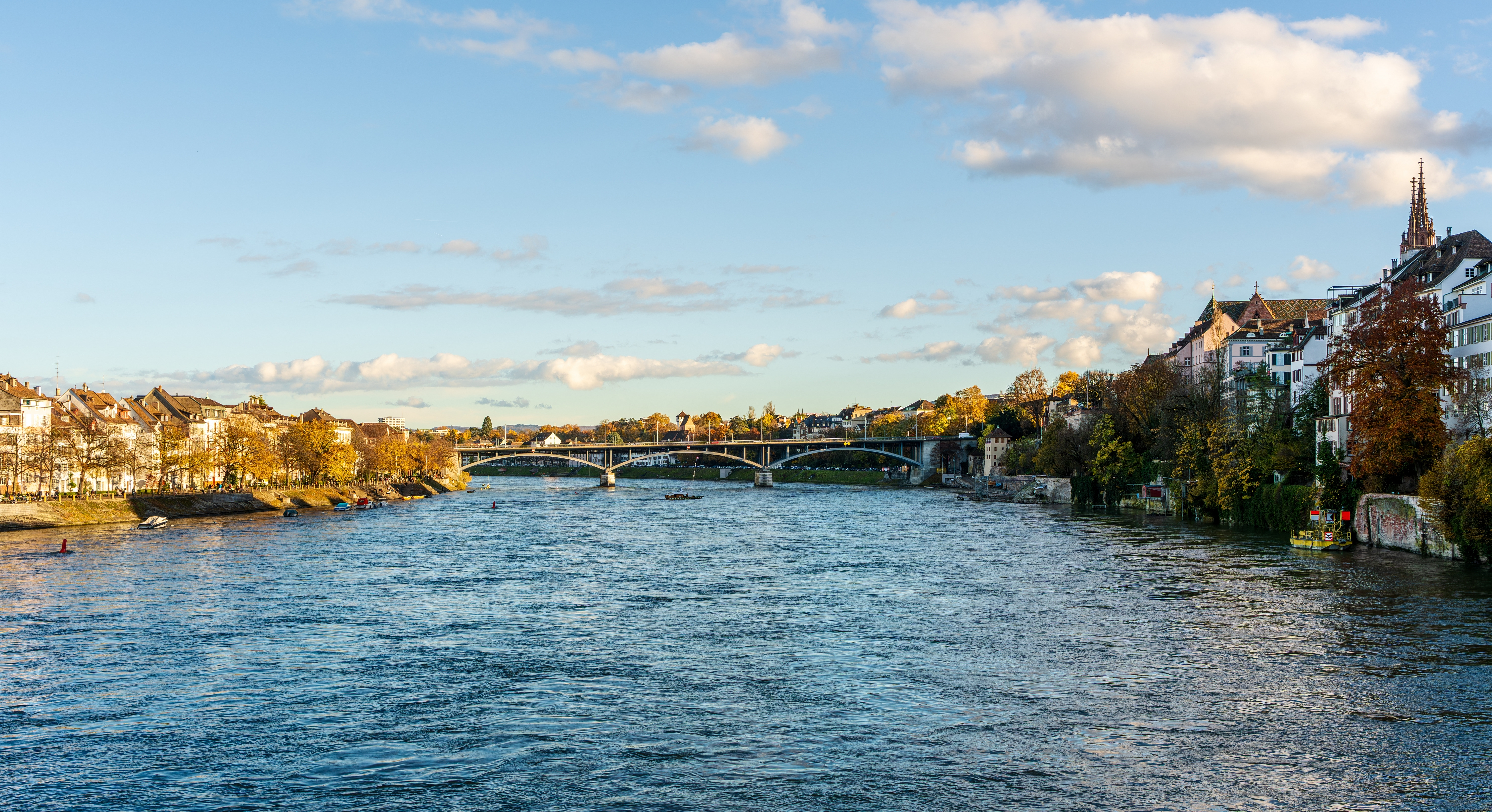
 The Rhine and Danube rivers have become symbols of Europe’s worsening drought conditions, as prolonged dry weather and extreme heat disrupt shipping, energy production and tourism across central Europe.
Along the Rhine, one of Europe’s most important commercial waterways, the usual constant movement of cargo vessels has slowed dramatically. In cities such as Bonn and other riverside communities, the absence of freight ships carrying goods and fuel has become increasingly noticeable.
Stretching approximately 1,200 kilometers from the Swiss Alps to Rotterdam in the Netherlands, the Rhine serves as a major trade artery for Europe. More than 6,500 vessels travel along the river every day, making it the world’s second-largest river transport route by volume after the Mississippi River.
The waterway plays a crucial role in supplying major German industries with raw materials and transporting finished products to northern European ports.
However, prolonged drought and heat have caused water levels to fall sharply, bringing parts of the river’s commercial traffic to a near standstill.
At locations such as Kaub, south of Koblenz, large cargo barges are no longer able to navigate. The Rhine has fallen to historically low levels, matching the negative record recorded in 2018.
Rising Transport Costs
Only smaller, shallow-draft vessels are currently able to operate in affected sections of the river, but their limited capacity has created major logistical challenges.
Transporting the same amount of cargo by road would require dozens of trucks, causing costs to rise to unsustainable levels. At the same time, freight prices for river transport have increased significantly.
The disruption highlights the wider economic consequences of climate-related pressures, affecting supply chains and industrial activity across Europe.
Even though temperatures are expected to ease in Germany, experts estimate that it will take several days and significant rainfall before conditions return to normal. Tributaries feeding the Rhine also remain affected by low water levels, further worsening the situation.
Danube Crisis Affects Energy Production
Similar problems are affecting the Danube, Europe’s second-largest river.
Hungary and Romania have been forced to suspend operations at nuclear power plants due to insufficient water availability for cooling systems.
In Romania, authorities have warned that electricity supply problems cannot be ruled out if conditions persist.
The drought has also affected tourism, including areas around Lake Balaton in Hungary. The popular holiday destination has seen water levels decline significantly, with areas where visitors once swam now accessible on foot.
The situation has led to hotel booking cancellations, as no immediate improvement is expected.
The impact of this summer’s climate conditions, the report noted, is being felt across multiple sectors, from transportation and industry to energy and tourism.