
 Μake us preferred on Google
 DURBAN, South Africa—For weeks, Ide Juma has slept on a thin mattress on the sidewalk outside the Department of Home Affairs refugee office in South Africa’s third-largest city, hoping against all experience that the authorities will protect him when the vigilantes come hunting for immigrants.
Juma, 35, a refugee from a war-torn corner of Mozambique, had been in South Africa—legally—for a decade. Then, a few months ago, members of an anti-immigrant group called March & March cornered him outside the tented barbershop where he worked and beat him with sticks and clubs. Injured and too frightened to venture out to work, Juma fell behind on his rent and lost the room he was living in.
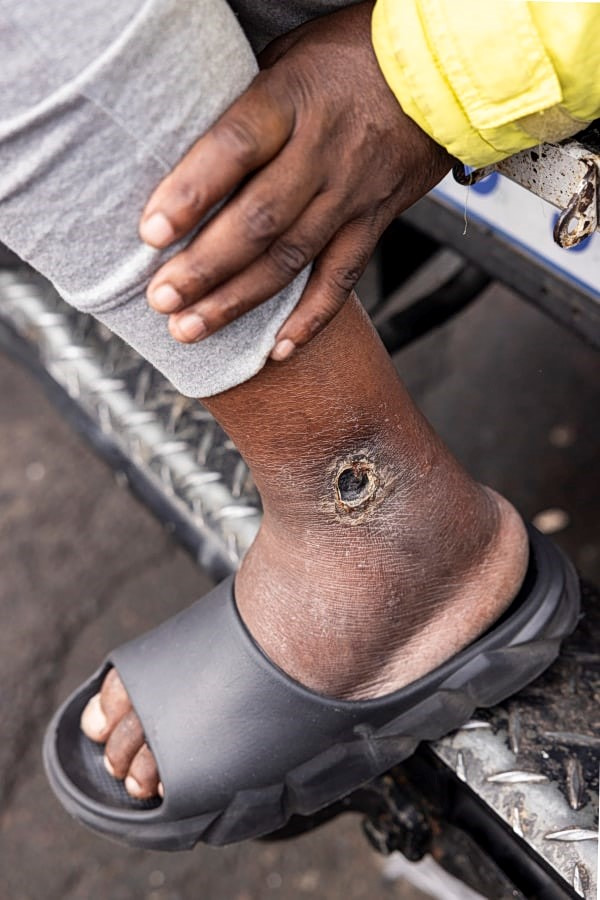
“I go to the police and they shoot me,” he said, displaying what he claims is a wound from a rubber-bullet round that was fired during a standoff outside the Durban central police station last month. “We have papers. Why do they not treat us like human beings?”
Authorities from Washington to Stockholm are pulling up the drawbridge to immigrants, wielding deportation orders. In South Africa, angry citizens wielding traditional whips, spears and clubs are taking it upon themselves to force foreigners out, and the government seems unable or unwilling to stop them.
Ilan Godfrey for WSJ
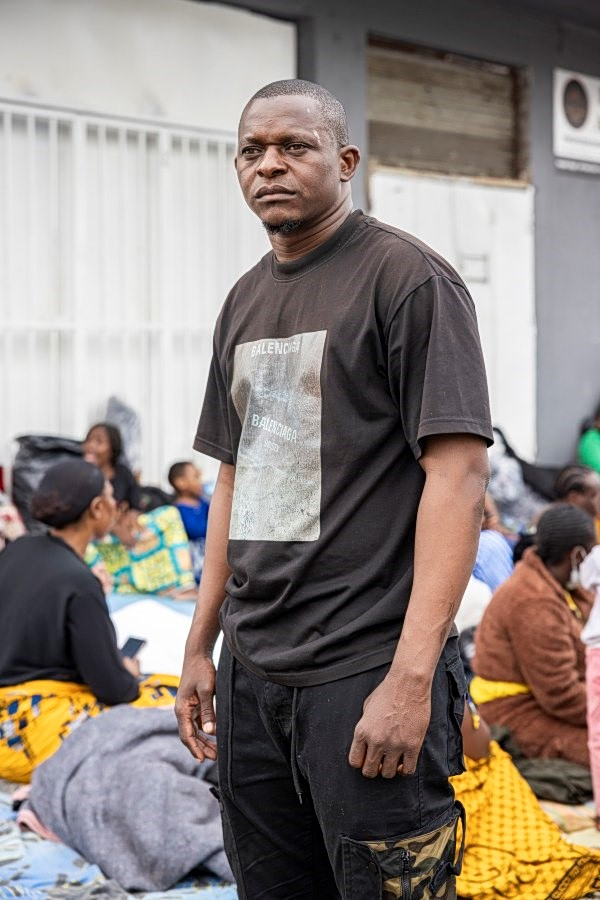
Black people from other African nations have been violently attacked by anti-immigrant vigilantes. Ide Juma worked in a barber shop before he was assaulted. Ilan Godfrey for WSJ
Ironically, the anti-immigrant rage is a burning issue in a country where President Trump said local Black people, enabled by the government, are committing genocide against whites. Trump has offered asylum and fast-track U.S. citizenship to Afrikaners, who are largely descended from the Dutch, French and German settlers who created the infamous apartheid system of racial discrimination in South Africa.
Recent violence, however, has been aimed not at white farmers, but at Black people from other African nations. Two Mozambicans and one South African have been killed in anti-immigrant violence, according to the government.
March & March accuses foreigners of stealing jobs and government resources from South Africans, and it has announced a unilateral June 30 deadline for all undocumented foreigners to leave the country.
Jacinta Ngobese-Zuma , leader of March & March, didn’t respond to requests for comment. The group has called for stronger immigration enforcement to protect economic opportunities for South African citizens, and said its name is intended to convey a sense of nonstop action.
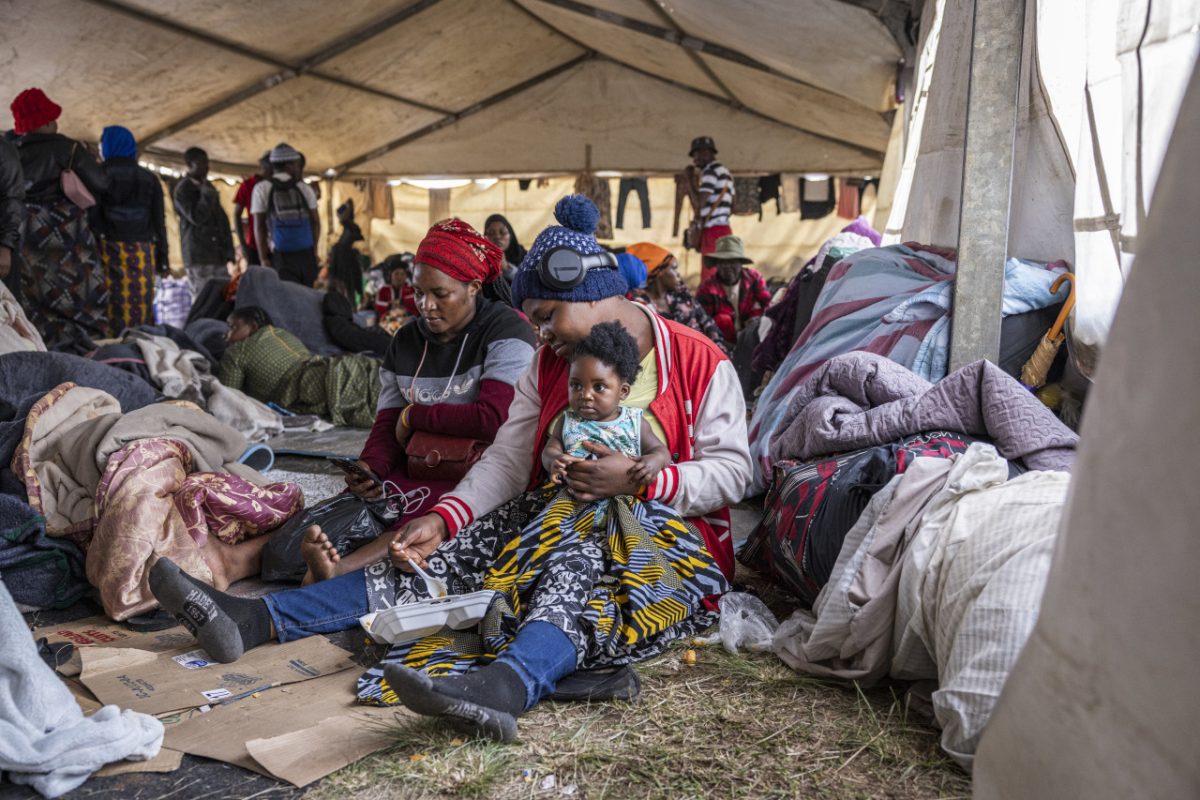
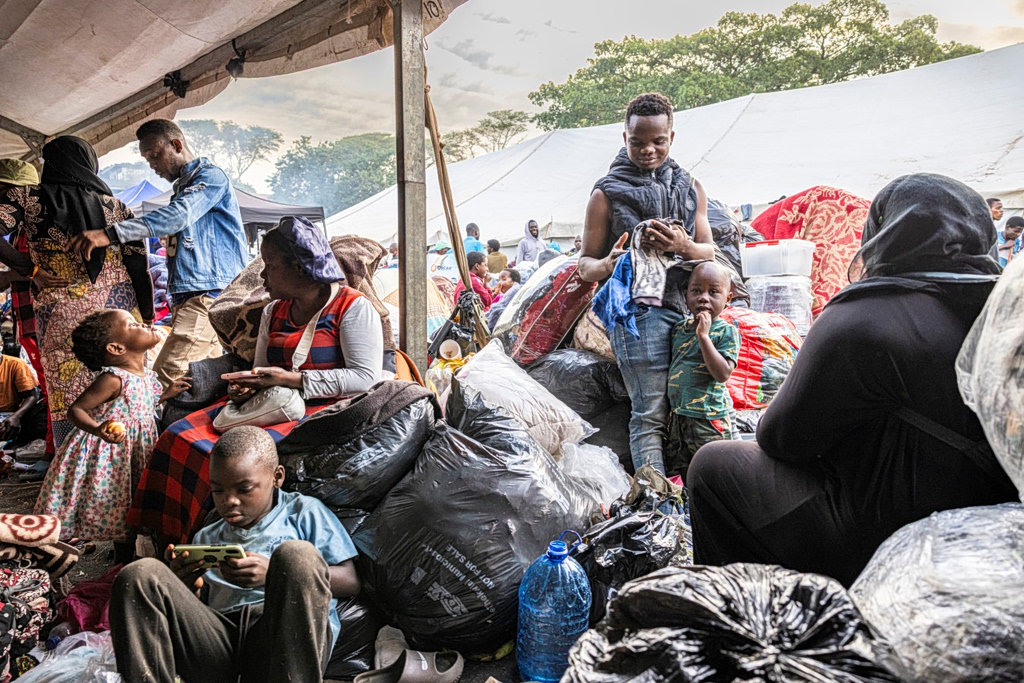
Thousands of refugees, asylum seekers and foreigners—whether here legally or not—have been camped outside government buildings or sought shelter in churches and parks against a rising wave of xenophobia.
Ilan Godfrey for WSJ
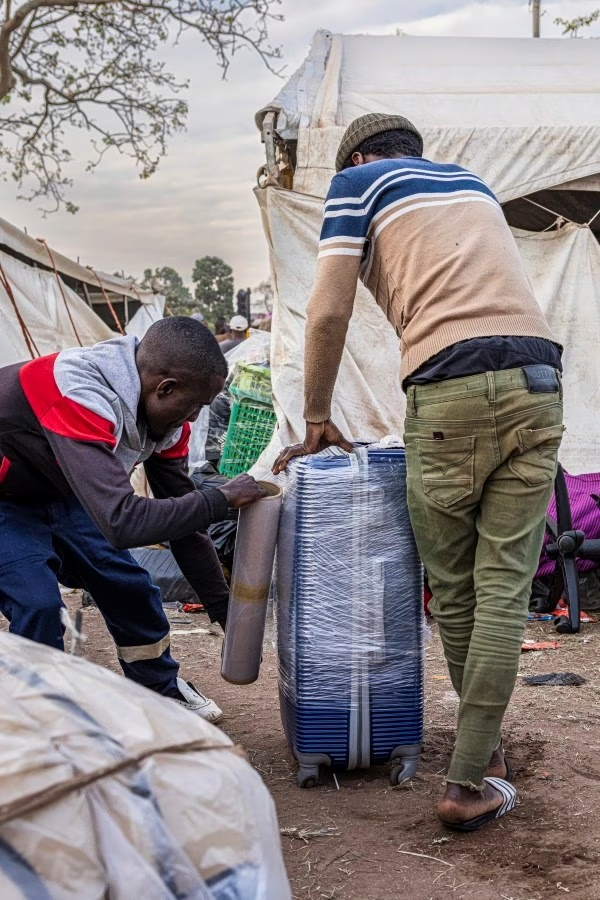
Ilan Godfrey for WSJ
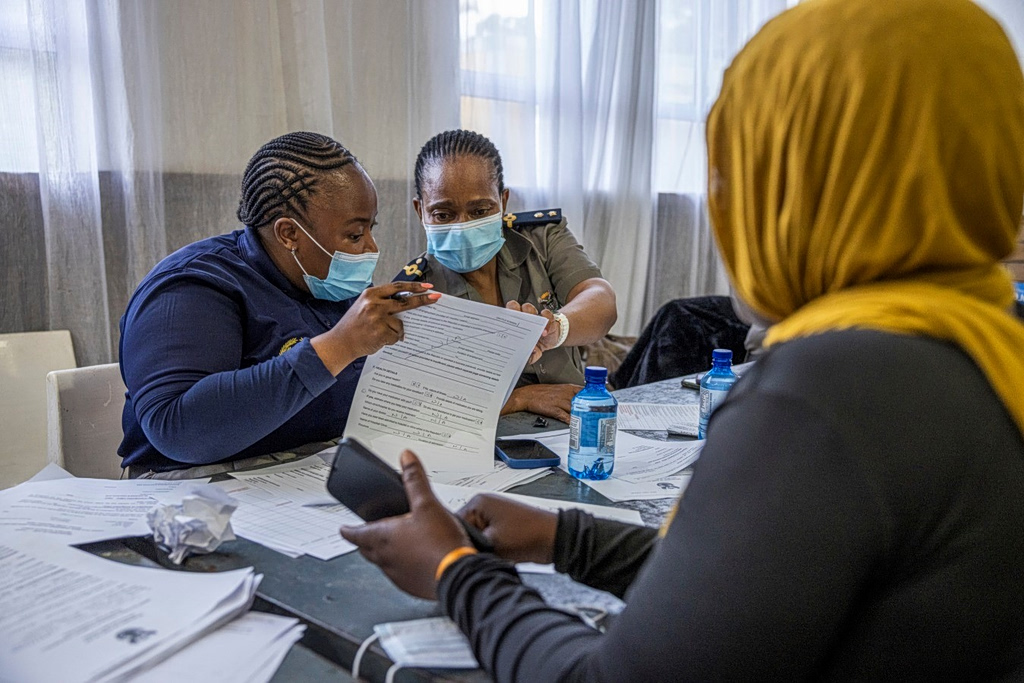
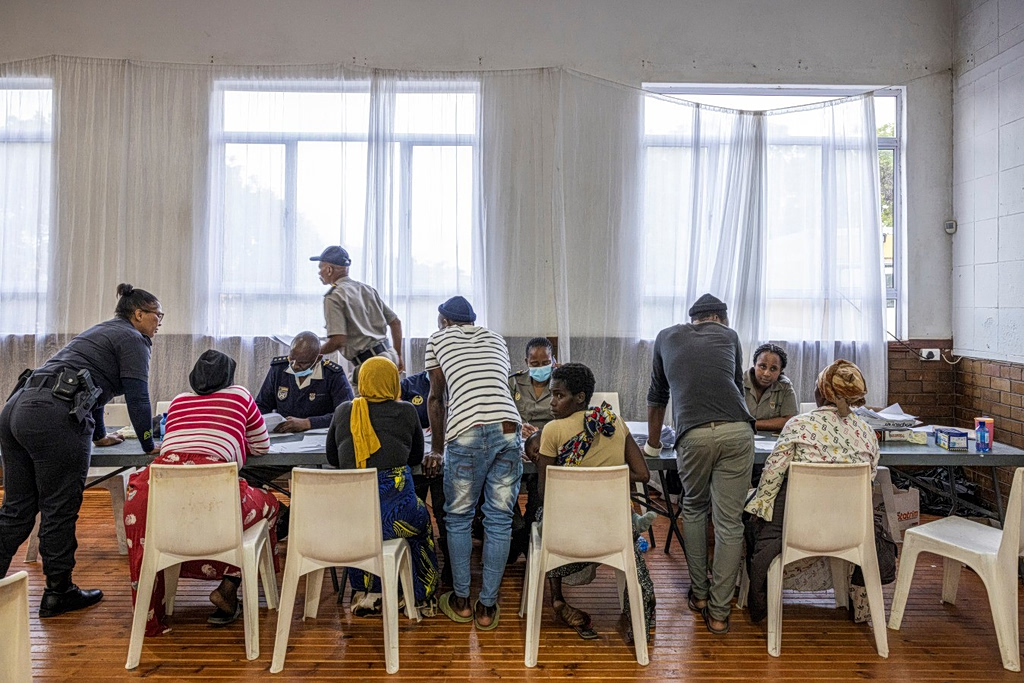
Foreign nationals undergo document processing at the camp in Durban. Many only have a single suitcase for their belongings.
Ilan Godfrey for WSJ
South African President Cyril Ramaphosa said he would dispatch envoys to other African nations to assure them that their citizens will be safe. But some African governments, including Nigeria, Ghana and Malawi, aren’t willing to rely on promises and have sent planes or buses to South Africa to repatriate their citizens.
“There are some who blame the problems of unemployment, crime and poor service delivery on foreign nationals,” Ramaphosa said in a televised address on June 16. “The roots of these challenges lie primarily in inequality, slow economic growth and weaknesses in service delivery. Addressing these challenges requires practical solutions, not the scapegoating of vulnerable people.”
Foreign workers from mostly other African countries and the South Africans who hire them have faced threats, beatings and killings as anti-immigrant sentiment sweeps through a nation that enjoys the continent’s largest economy, but suffers from more than 40% unemployment.
Previous waves of xenophobia were localized and universally condemned by politicians, said Loren Landau , a senior researcher with the African Centre for Migration & Society at the University of the Witwatersrand in Johannesburg. “Both of those things seem to be very different this time around.”
According to the South African government, more than 1,800 people have been repatriated to Ghana and Nigeria on flights coordinated by their home countries. Over three-quarters of the Ghanaian returnees had overstayed their visas, while all 854 Nigerians were residing in South Africa illegally. Additionally, more than a thousand people—most of whom were also undocumented—have returned overland to Mozambique.
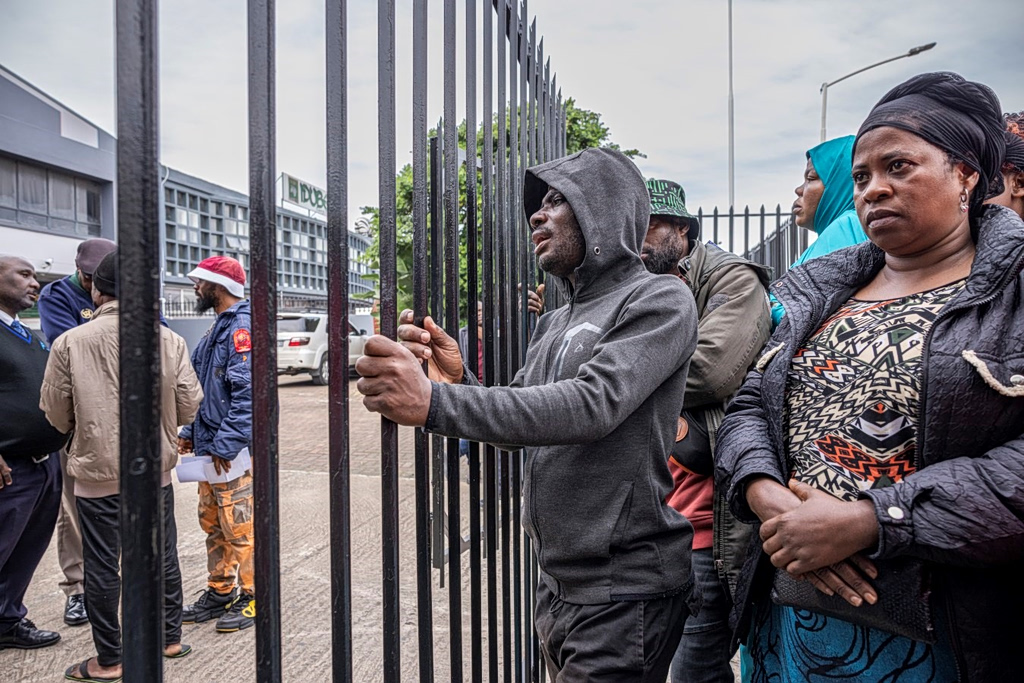
Some 450 refugees and asylum seekers, like Juma, were camped out this month outside the Department of Home Affairs in Durban.
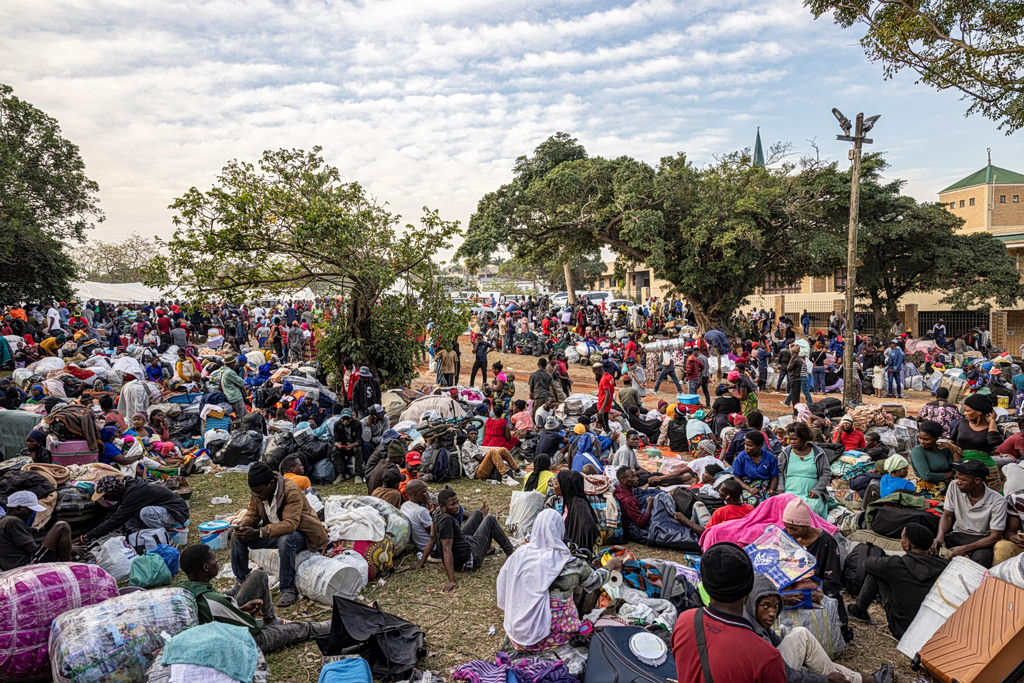
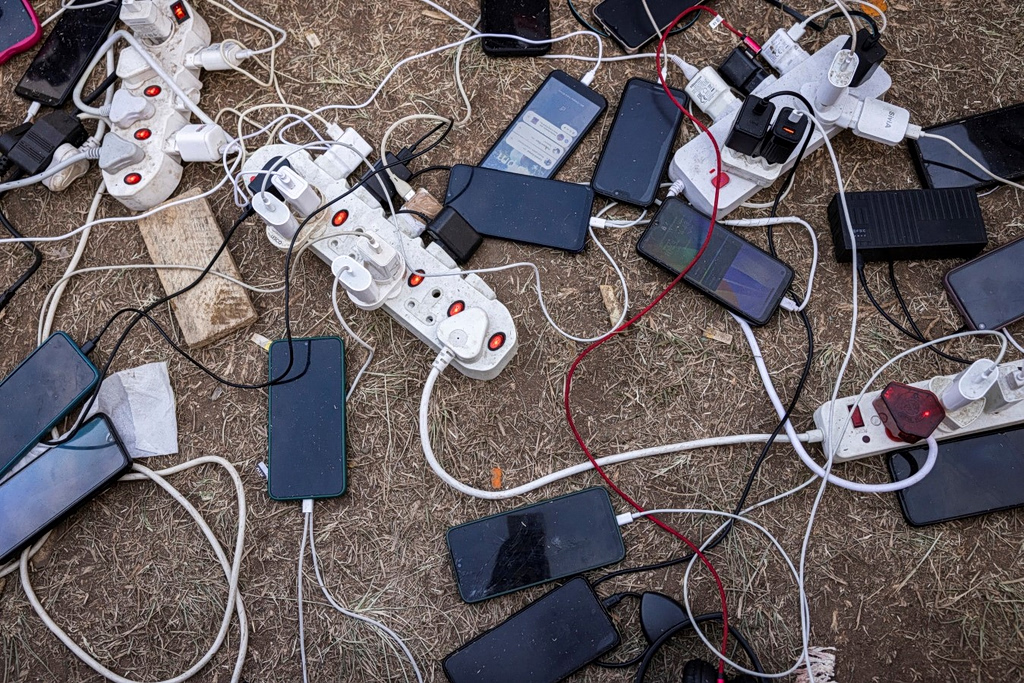
Camps like the one in Durban rely on donations from local charities.
Ilan Godfrey for WSJ
Upward of 6,000 Malawians were also gathered this month in a Durban park, waiting their turn to board buses that their embassy procured to take them home. Last week, Malawi issued a statement asking for assistance in repatriating more than 10,000 of its citizens from South Africa.
Most of the Malawians waiting in the park had been living in informal settlements, in possession of expired visas or with no passports at all, according to aid workers at the scene.
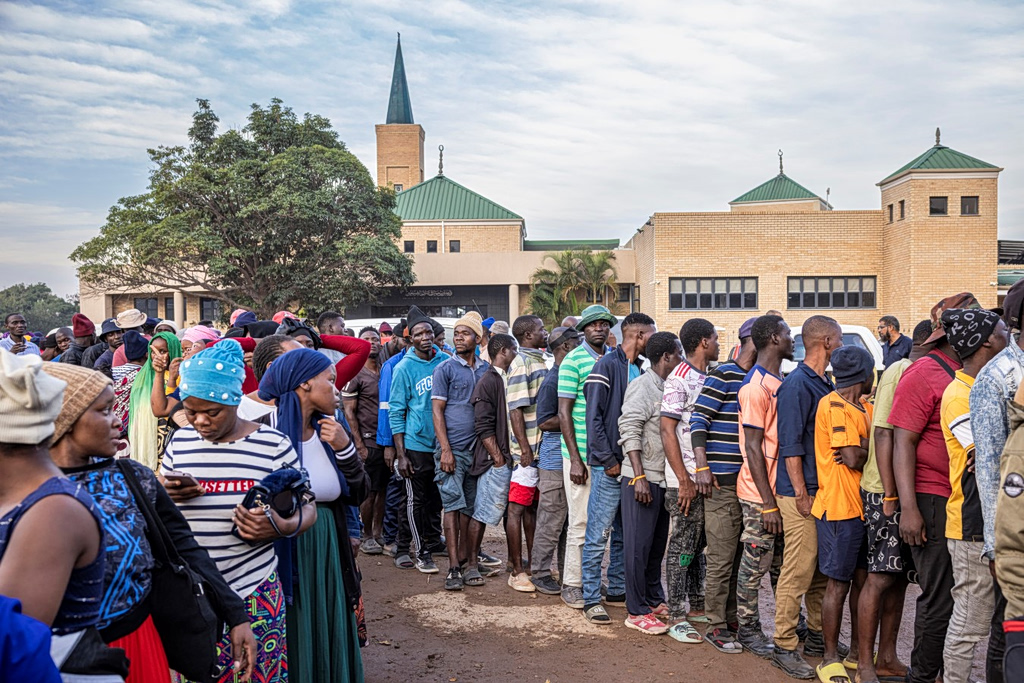
Surrounded by suitcases and belongings bundled in cling wrap, women, men and children sit speaking in hushed tones, or wait in line to receive food, diapers, sanitary pads and other necessities from local charities, many affiliated with a nearby mosque. The ground was strewn with food containers, plastic bottles, empty chip packets, orange peels and coffee cups.
Memory Watford, 32, a housekeeper from Malawi, packed up her two children this month after a group of South Africans came to her house and issued an intimidating warning: “You must go now.”
“I don’t want to die here,” she said.
Ilan Godfrey for WSJ
Ilan Godfrey for WSJ
Foreign workers from mostly other African countries have faced threats, beatings and killings.
Ilan Godfrey for WSJ
Adam Ali, a spokesman for the Malawian Embassy, said that he was appealing to donors to send more buses to repatriate people, beginning with women and children. One charity worker said she had seen at least 25 newborns waiting with their mothers.
“People knocked and said, ‘We don’t want you here, foreigners,’” said Rabson Wilson, 28, who spent two years working illegally in South Africa as an auto-body technician. As of June 12, he had been waiting three days for a ride with only a single bag of possessions.
March & March activists often stake out the entrance of one of Durban’s public hospitals, according to charity workers and refugees. The protesters demand that patients prove their South African citizenship before allowing them to enter.
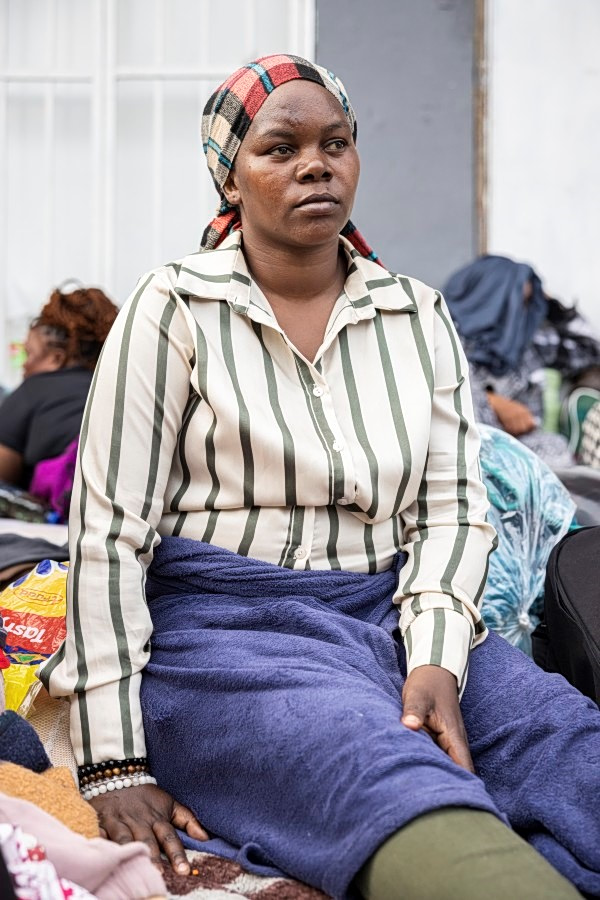
Jeanne Nduwimana, a 38-year-old Burundian asylum seeker who has lived nearly a decade in South Africa, was selling avocados at her makeshift roadside shop a few months ago when vigilantes, who she said were affiliated with March & March, began destroying her wares and shouting at her to leave the country. The attackers stabbed her in the head and left her bleeding on the street, she said. A neighbor took her to the government hospital for treatment, but she found herself unwelcome there, too, she said.
Ilan Godfrey for WSJ
Jeanne Nduwimana said she was stabbed in the head by an attacker. Some African governments are now rushing to repatriate their citizens from South Africa.
Ilan Godfrey for WSJ
“This is not your country,” she recalled one of the nurses telling her. “This is not your hospital.”
Three months on, she’s still too frightened to return to the hospital to have her stitches removed. The hospital didn’t respond to requests for comment.
“They said if they see me there again, they will kill me,” Nduwimana said of the men who attacked her. “I was shocked. I didn’t do anything.”