
 Μake us preferred on Google
 WASHINGTON—President Trump vowed to unleash what he called “ECONOMIC D-DAY” on Iran as frustrations mount over lack of progress on reopening the Strait of Hormuz or reaching a deal to end the nearly six-month war.
Trump said on Wednesday evening he would launch a major economic campaign against Iran and any entity that does business with the regime. The president said it would be “the MOST CRUSHING ECONOMIC OPERATION EVER TAKEN AGAINST ANY COUNTRY!” Trump didn’t say what specifically the U.S. will do in addition to the heavy sanctions that are already on Tehran.
“I am also announcing that ANY country that allows its financial institutions, businesses, airports, or government entities to provide any type of lifeline to Iran will itself face TREMENDOUS Economic Consequences,” Trump posted on Truth Social. “Oil smuggling, swap lines, cash transfers, exchange houses, ship registries, front companies—It all needs to stop NOW. You know who you are.” The president called on U.S. allies to support his effort to isolate Iran.
The White House didn’t immediately return a request for comment.
China is Iran’s largest trading partner and the Islamic Republic has economic ties with Middle East neighbors, but trade with Europe is small due to years of sanctions and other restrictions. As part of the U.S. strategy to squeeze Iran economically, the United Arab Emirates said late Tuesday that it has suspended financial and economic transactions with Iran, potentially threatening Tehran’s access to a major source of imports and a financial back door to the world.
Earlier on Wednesday, the president was asked about what kind of economic tools he had to punish Iran and said he had “new things” the U.S. could sanction.
“We have very draconian sanctions and we’ll see what happens,” Trump told reporters. “It’ll either be extremely good and oil prices will drop like a rock, or we’ll continue doing exactly what we’re doing.”
Last week, Treasury Secretary Scott Bessent previewed new measures against Iran aimed at getting back to the negotiating table but didn’t provide details.
“Watch this space for more announcements coming next week because we are going to apply measures like have never been seen in the history of the economic isolation of a country,” Bessent said on Newsmax Wednesday.
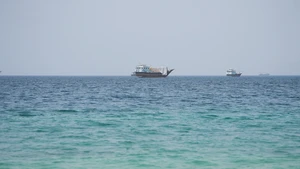
The 60-day window for the U.S. and Iran to reach a deal, as agreed to in a June memorandum of understanding , expired on Monday with no sign of any progress on talks or completely opening the strait—the vital waterway through which about 20% of the world’s oil supplies pass.
The Trump administration has sent mixed messages about the status of any negotiations. Senior Trump adviser Jared Kushner said on Monday that talks between the U.S. and Iran through backchannels were “positive and active,” even as Iran denied any communication and Trump said there were no ongoing conversations.
“They want to make a deal, but they’re not going to make the kind of a deal that I feel is necessary,” Trump told reporters Monday when asked about the expired memorandum of understanding. The White House has demanded an end to the Iranian nuclear program as a condition for a permanent ceasefire, a requirement that Tehran has found unacceptable so far.
Trump had previously warned that Iran would face military consequences for breaking the terms of the agreement when he signed the memorandum two months ago inside the French palace of Versailles.
Senior administration officials say Iran’s economic desperation could lead to a breakthrough, and the president has said he believes the U.S. Navy blockade targeting Iranian shipping and ports has been effective. But The Wall Street Journal reported Iran’s hard-line leaders are prepared to dig in their heels for a continuation—and escalation—of the war.
Write to Meridith McGraw at Meridith.McGraw@WSJ.com and Philip Wegmann at philip.wegmann@wsj.com